
Related News
 European Commission Updates CBAM Emissions Accounting Guidance for Definitive PhaseOct 19, 2026
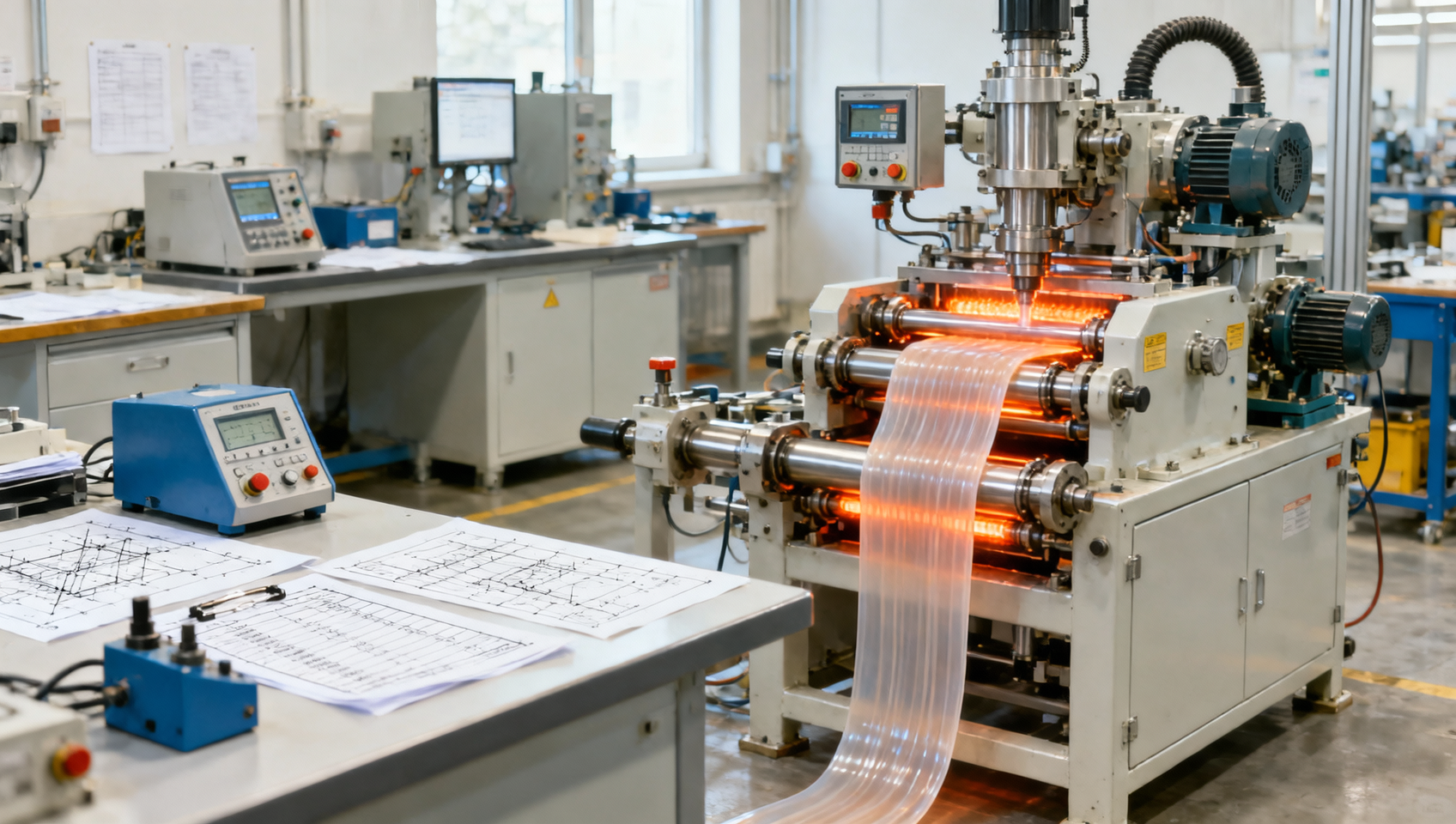
 Documentation and Test Runs That Reduce Risk in Used Extruder PurchasesOct 09, 2026
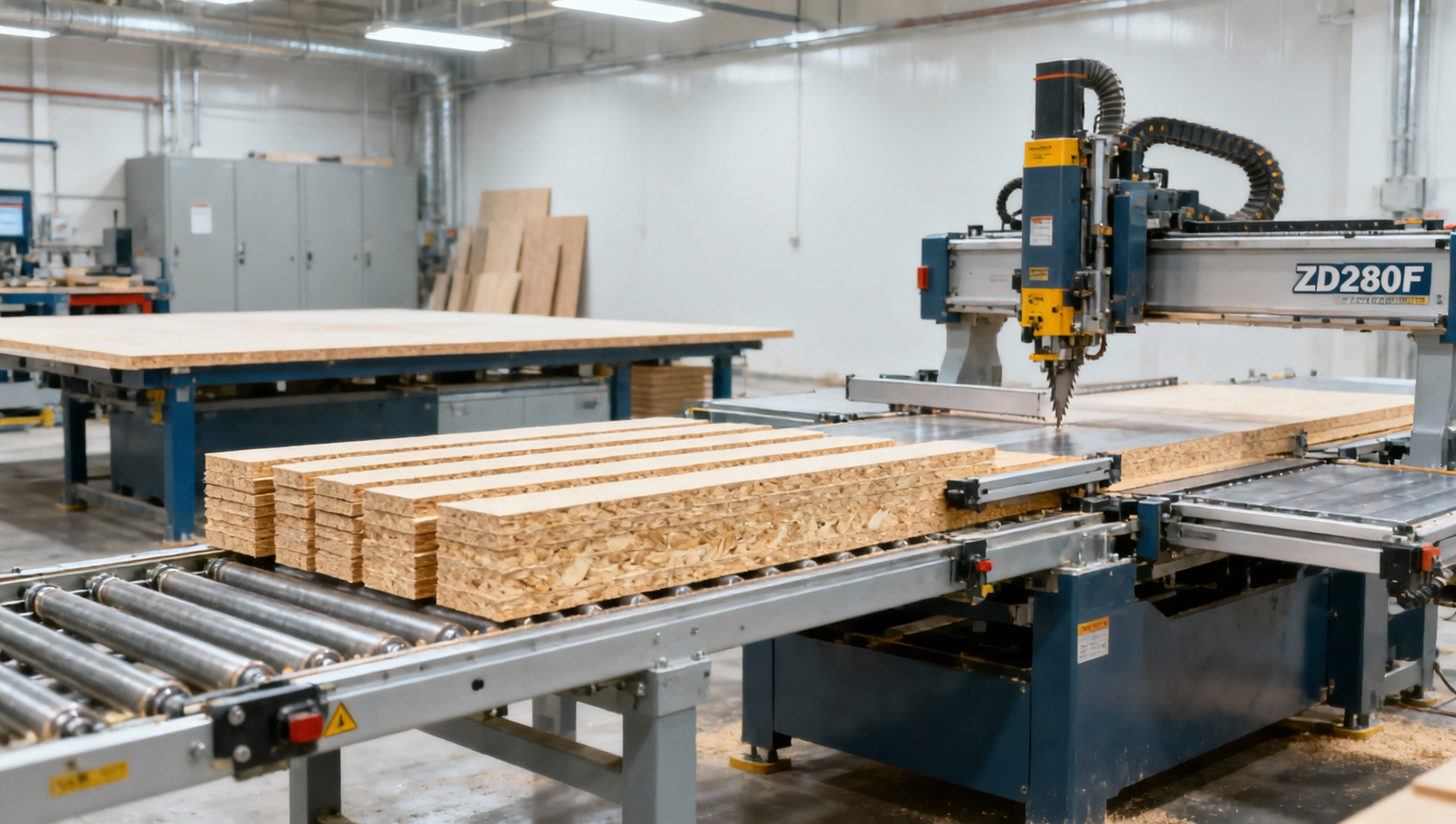
- What to Verify in ZD280F Cutting Capacity Before Panel Saw PurchaseOct 08, 2026
- What Are the Reliability Benchmarks for Industrial Power Equipment?Oct 08, 2026


Industry Briefing
Get the top 5 industry headlines delivered to your inbox every morning.
Related News
SABIC Dual Force Majeure Disrupts Global Methanol & Styrene Supply




On 27 March 2026, Saudi Basic Industries Corporation (SABIC) declared force majeure on methanol and styrene monomer production at its Jubail manufacturing facility, triggering immediate price surges and supply constraints across global chemical markets. Key downstream sectors—including plastics, coatings, fertilizers, automotive, and home appliances—are now confronting sharp cost increases and potential material shortages.
Confirmed Event Details
SABIC officially announced force majeure for methanol and styrene monomer operations at its Jubail plant on 27 March 2026. This has widened the global supply gap for both commodities. Styrene futures on the main contract rose 5.93% in a single trading session, closing at CNY 10,431 per tonne. Meanwhile, Middle East granular urea FOB prices climbed to USD 604–710 per tonne. These developments stem directly from the production disruption—not from policy changes, regulatory actions, or certification revisions.
Impact Across Supply Chain Roles
International trading companies
Trading firms handling methanol and styrene face heightened volatility in forward pricing, tighter margin control, and increased counterparty risk. Contract enforcement, delivery timelines, and force majeure clause applicability are now under urgent review—especially for contracts referencing SABIC-origin materials.
Raw material procurement teams
Procurement units sourcing methanol or styrene derivatives must reassess supplier diversification, safety stock levels, and alternative grade specifications. The sudden price jump raises pressure on budget adherence and may necessitate rapid revalidation of technical equivalency for substitute feedstocks.
Manufacturing and processing enterprises
Plastics compounders, coating formulators, and fertilizer producers report rising input costs and delayed batch scheduling. Some are initiating contingency assessments for formulation adjustments, especially where styrene-based polymers or methanol-derived intermediates are non-substitutable in current product specs.
Supply chain service providers
Logistics coordinators, customs brokers, and inventory management platforms are adjusting allocation models to prioritize high-priority shipments and monitor port congestion risks—particularly for urea and styrene cargoes transiting Gulf hubs.
Strategic Priorities for Affected Businesses
Review force majeure clauses and contractual obligations
Companies with active supply agreements involving SABIC methanol or styrene should audit contract language for force majeure definitions, notification requirements, and termination rights—especially where delivery delays or cost pass-through mechanisms are undefined.
Validate alternative suppliers and technical documentation
Substituting SABIC-sourced methanol or styrene requires verification of compliance with existing process specifications, including purity thresholds, trace impurity profiles (e.g., water content, aldehydes), and regulatory certifications (e.g., REACH, FDA, ISO 9001).
Adjust procurement planning and lead-time buffers
Given the extended uncertainty around SABIC’s resumption timeline, procurement cycles should incorporate longer safety lead times, pre-qualified secondary sources, and scenario-based demand forecasting—particularly for urea-dependent fertilizer blends and styrene-based ABS/PS resins.
Monitor downstream ripple effects on related commodities
The methanol shortage is amplifying pricing pressure on formaldehyde, acetic acid, and MTBE; styrene scarcity is affecting EPS, SBR, and SAN production. Cross-commodity exposure analysis is now critical for integrated manufacturers and multi-tier buyers.
Industry Perspective: Beyond Short-Term Volatility
Analysis shows this incident highlights structural dependencies on concentrated production assets—even among globally diversified chemical producers. It is more appropriate to understand this as a stress test for supply chain resilience frameworks, not merely a commodity price event. What deserves closer attention is how rapidly procurement policies, technical bid alignment, and raw material qualification protocols can adapt when single-site disruptions cascade across multiple derivative chains. Longer-term, such events may accelerate adoption of digital twin-based supply risk modeling and regionalized feedstock sourcing strategies—though these require upfront investment in data integration and cross-supplier transparency.
Key Takeaway for Stakeholders
This force majeure underscores that global chemical supply stability remains highly sensitive to localized operational risks—even without regulatory or certification shifts. Rational response involves disciplined technical due diligence, contractual agility, and proactive scenario planning—not reactive speculation. Sustainable mitigation depends less on predicting recovery timelines and more on strengthening systemic preparedness across procurement, engineering, and compliance functions.
Source Information and Verification Notes
This article was generated exclusively from the provided title, event date (27 March 2026), and summary. Specific official source links were not provided in the input and should be verified continuously. Stakeholders are advised to monitor updates from SABIC, international commodity exchanges, and national chemical industry associations for further clarification on restoration timelines, revised export allocations, and any subsequent regulatory or trade facilitation measures.