
Related News
 Are Carbon Fiber Composites Ready for Mass Use in Construction Equipment?Oct 08, 2026
- How to Verify an Industrial Supplier’s Delivery Track RecordOct 08, 2026
 What Should Buyers Do When a Key Supplier Raises Prices Mid-Contract?Oct 08, 2026
- How Do Trade Sanctions Affect Heavy-Industry Supply Chains?Oct 08, 2026




Industry Briefing
Get the top 5 industry headlines delivered to your inbox every morning.
Industrial Environmental News: Which Rules Matter Most This Year?





Why is industrial environmental news a priority this year?
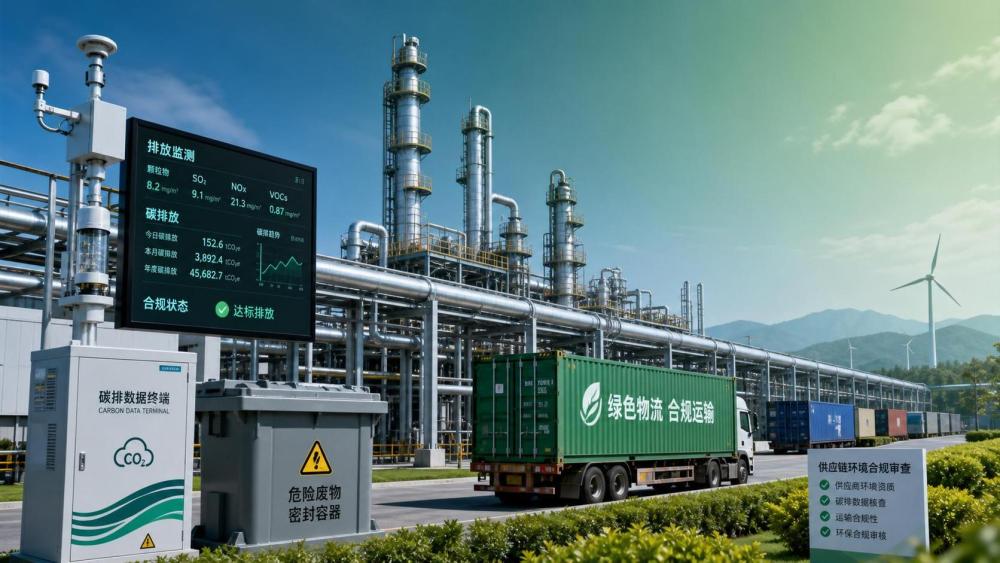
Industrial environmental news now shapes daily decisions across heavy industry, not just annual compliance reviews.
This year, the pressure comes from tighter emissions control, broader carbon disclosure, stricter waste traceability, and closer supplier scrutiny.
For steel, power, petrochemicals, mining, machinery, transport equipment, and building materials, one rule change can alter process limits, reporting duties, and shipment eligibility.
That is why industrial environmental news matters beyond legal teams. It affects inspection plans, operating windows, maintenance schedules, and even contract language.
A more practical way to read the news is to ask one question: which rules can change operational risk within the next two quarters?
In most cases, the answer sits in four areas: air emissions, carbon accounting, hazardous waste control, and supply-chain compliance evidence.
Useful industrial environmental news also needs context. Policy headlines mean little unless they connect with price trends, export rules, plant upgrades, and regional enforcement intensity.
That broader view is especially important in sectors with long procurement cycles and cross-border shipments, where late interpretation creates avoidable cost.
Which rules deserve the closest watch right now?
Not every update carries the same weight. Some are policy signals. Others force immediate operational change.
The rules drawing the most attention in industrial environmental news usually share one feature: they are measurable and auditable.
The table below helps separate high-impact items from background noise.
In practical terms, air and carbon rules tend to hit operating continuity first. Waste and trade rules often hit reputation and shipment reliability next.
This is why industrial environmental news should be reviewed alongside production, sourcing, and export planning, not after those decisions are made.
How do these changes show up on the plant floor and in supplier management?
The impact is rarely abstract. It usually appears as extra evidence requests, tighter inspections, or reduced tolerance for documentation gaps.
A steel processor may need more frequent particulate monitoring. A chemicals site may face revised waste storage rules. A machinery exporter may need carbon and substance declarations from component suppliers.
Industrial environmental news becomes operational when it changes one of these three points:
- What must be measured, sampled, or recorded.
- Who must provide evidence across the chain.
- When noncompliance can stop production, shipment, or project approval.
In upstream and downstream value chains, the issue often starts with data quality. One supplier’s incomplete declaration can weaken the buyer’s entire compliance file.
That is why many industrial teams now track policy updates together with market movements, supplier changes, and major project news.
If a plant is expanding capacity or installing new equipment, environmental requirements should be checked before the project reaches the commissioning stage.
The same applies to technology upgrades. Energy-saving equipment can improve performance, but only if monitoring, calibration, and reporting methods stay aligned with local rules.
What is the best way to judge whether a regulatory update is urgent or just background noise?
A useful filter is to test each item of industrial environmental news against five decision points.
- Does it change a legal threshold, permit condition, or reporting deadline?
- Does it affect a facility, material, product line, or export destination already in scope?
- Will inspectors or customers ask for new evidence within this fiscal year?
- Could it alter supplier approval, inbound material acceptance, or product release?
- Would delay increase retrofit cost, downtime, or shipment risk?
If the answer is yes to two or more points, the update is probably operational, not informational.
More advanced teams also separate leading indicators from final rules. Draft policy, consultation language, and regional pilot programs often signal where enforcement will move next.
That early reading matters in heavy industry because equipment replacement, process redesign, and lab qualification rarely happen quickly.
A short delay in understanding industrial environmental news can become a long delay in corrective action.
Where do companies usually get caught out?
The biggest mistakes are usually not technical. They come from fragmented ownership and weak interpretation.
One common error is assuming that a valid permit means current compliance. Rules may shift before permit renewal, especially around monitoring frequency and reporting format.
Another mistake is focusing only on direct emissions while ignoring purchased materials, outsourced treatment, or export documentation.
In industrial environmental news, hidden risk often sits between departments rather than inside one department.
The most frequent weak points include:
- Emission data that cannot be traced back to calibration records.
- Waste transfers handled by vendors with incomplete authorization.
- Supplier declarations that do not match destination market rules.
- Carbon figures prepared for reports but not tied to source invoices and meter logs.
- Project upgrades launched before environmental approval pathways are confirmed.
It also helps to watch regional enforcement behavior. The same national rule can produce different risk levels depending on local inspection intensity and industrial concentration.
How should this year’s industrial environmental news shape the next action plan?
A workable response starts with prioritization, not more paperwork.
Begin by mapping current obligations against actual operations, supplier dependencies, and target markets. That reveals which updates are immediate and which are only watch items.
Then build a short review cycle around industrial environmental news, ideally tied to production planning and sourcing review rather than stand-alone reporting.
A focused checklist usually works better than a broad policy archive.
- Recheck permits, emission limits, and monitoring methods against current output.
- Validate carbon data boundaries before customers or regulators request assurance.
- Audit hazardous waste records from generation to final disposal.
- Screen key suppliers for environmental documents linked to destination markets.
- Review expansion projects for approval timing, control technology, and reporting readiness.
In practice, the strongest approach combines policy tracking, market monitoring, project intelligence, and technology updates in one decision flow.
That makes industrial environmental news more than a headline stream. It becomes a working reference for compliance timing, supplier reliability, and operational resilience.
This year, the rules that matter most are the ones that can be measured, audited, and linked to commercial consequences.
The next step is simple: identify the top three regulatory exposures, confirm the evidence behind each one, and track the policy signals most likely to change them.