
Related News
 European Commission Updates CBAM Emissions Accounting Guidance for Definitive PhaseOct 19, 2026
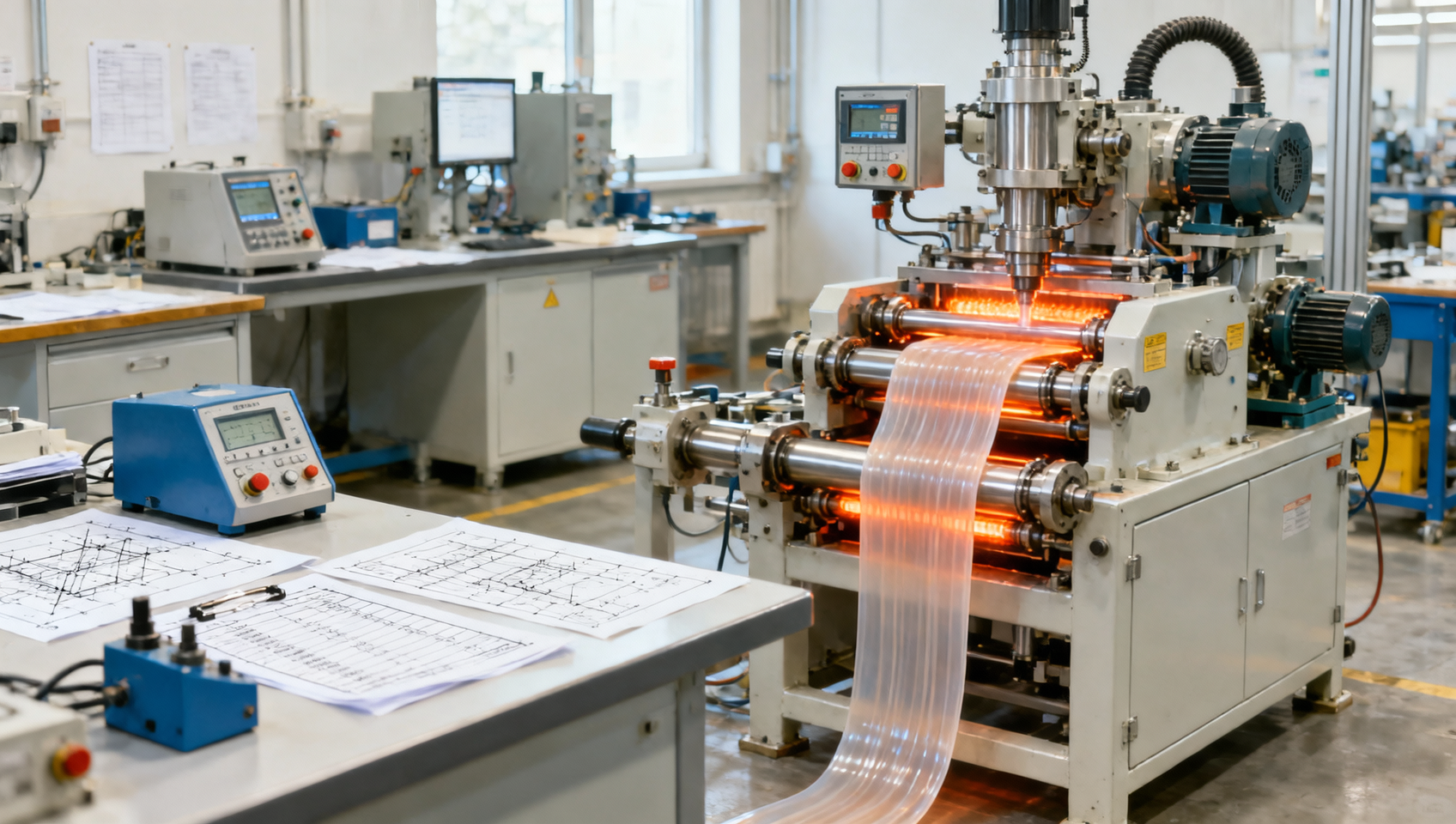
 Documentation and Test Runs That Reduce Risk in Used Extruder PurchasesOct 09, 2026
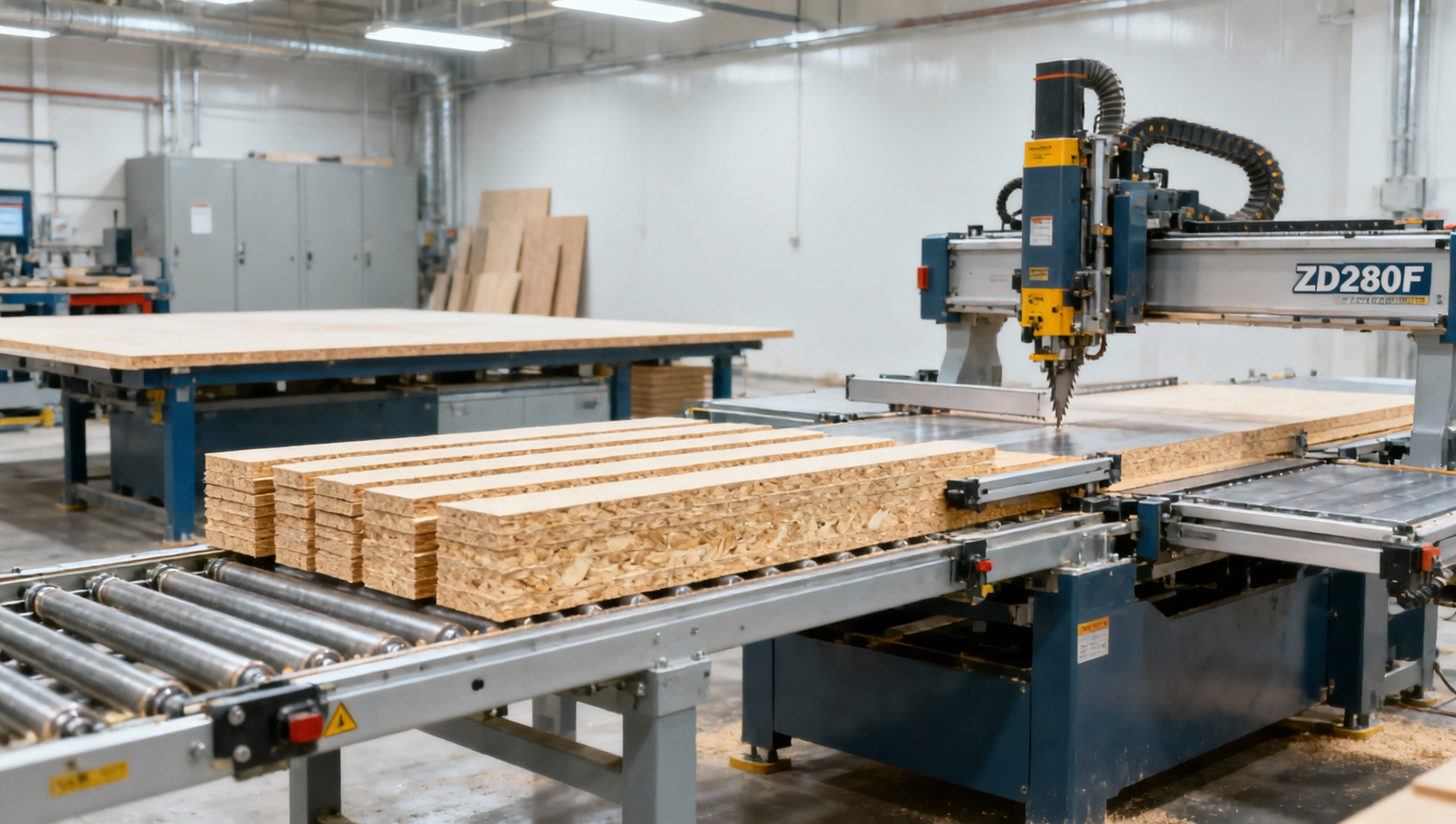
- What to Verify in ZD280F Cutting Capacity Before Panel Saw PurchaseOct 08, 2026
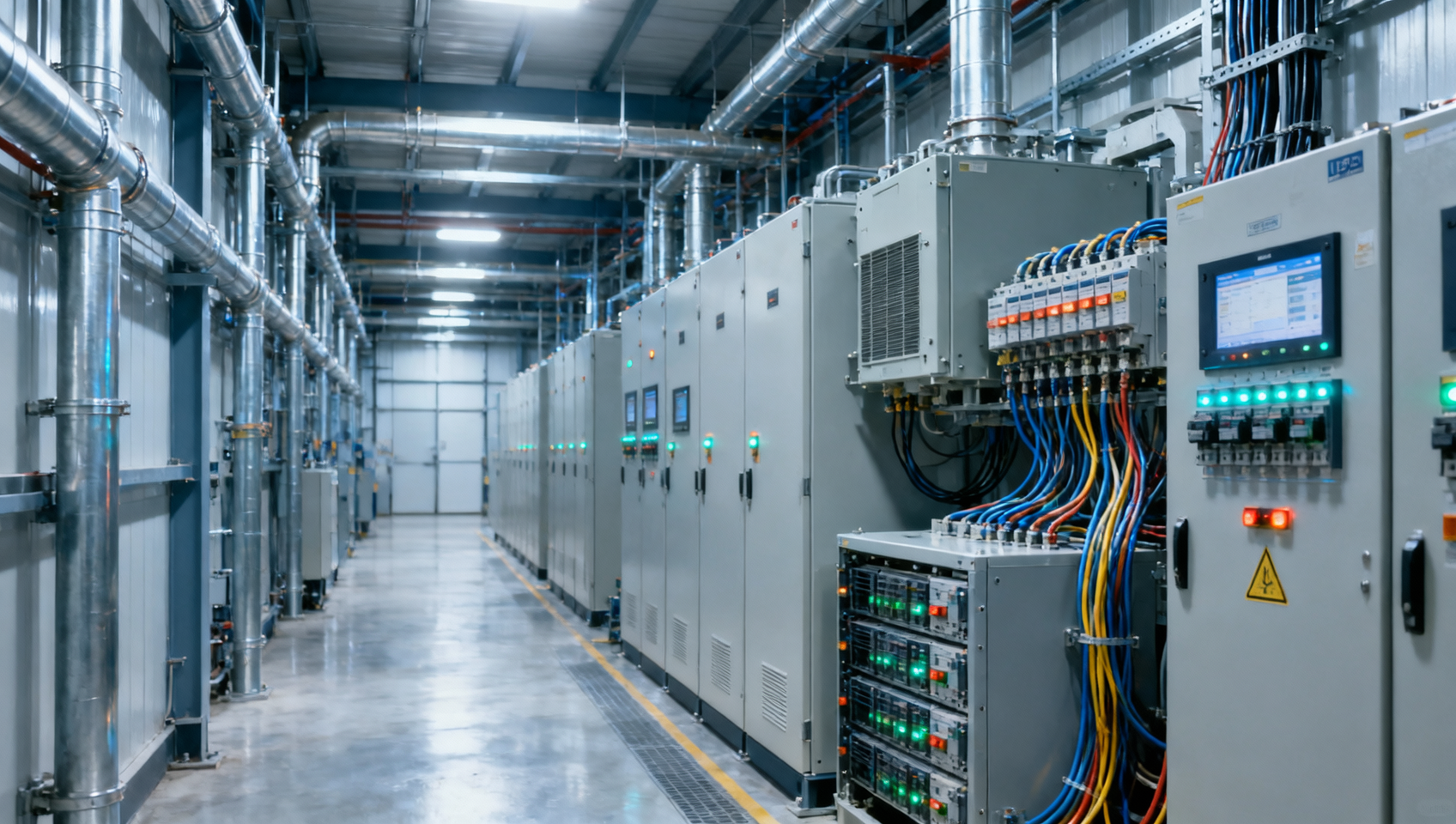
- What Are the Reliability Benchmarks for Industrial Power Equipment?Oct 08, 2026

Industry Briefing
Get the top 5 industry headlines delivered to your inbox every morning.
Related News
SABIC Declares Force Majeure on Methanol and Styrene Lines




SABIC announced force majeure on its methanol and styrene monomer production lines at its Jubail facility on March 27, 2026 — triggering sharp global price increases for both commodities. This development directly impacts downstream sectors including plastics, coatings, automotive components, and home appliances, and introduces cost-transmission pressure for Chinese industrial equipment and component exporters.
Event Overview
On March 27, 2026, Saudi Basic Industries Corporation (SABIC) declared force majeure affecting methanol and styrene monomer production at its Jubail manufacturing site. Publicly confirmed information states that the declaration has widened global supply gaps for both products. Styrene futures rose 5.93% intraday as a direct market response.
Impact on Specific Industry Segments
Direct trading enterprises: These firms face immediate exposure to spot price volatility and contract renegotiation risk. With SABIC being a major regional supplier, reduced availability may constrain arbitrage opportunities between Asian and Middle Eastern markets, particularly for methanol-based derivatives and styrene-containing resins.
Raw material procurement teams: Procurement departments sourcing methanol or styrene — especially those relying on SABIC-supplied volumes or benchmarking against its pricing — must reassess current contracts and inventory buffers. Short-term spot premiums and extended lead times are now more likely.
Processing and manufacturing enterprises: Companies producing ABS, EPS, SBR, or methanol-derived formaldehyde and acetic acid face higher input costs and potential production scheduling adjustments. Automotive trim suppliers and appliance housing manufacturers — which use styrene-based polymers — may experience margin compression if cost pass-through is delayed or resisted by end customers.
Supply chain service providers: Logistics and warehousing partners supporting styrene or methanol movements may see increased demand for near-term storage and flexible routing options, especially in key hubs such as Shanghai, Busan, and Rotterdam, where inventory rebalancing is expected.
What Relevant Enterprises or Practitioners Should Monitor and Do Now
Track official updates from SABIC and regional regulatory filings
Monitor SABIC’s official communications for duration, scope, and geographic applicability of the force majeure — especially whether it extends beyond Jubail or includes third-party tolling arrangements.
Assess exposure to specific product grades and delivery terms
Review active purchase orders and supply agreements for clauses tied to SABIC-sourced methanol (e.g., Grade AA) or styrene monomer (e.g., polymer-grade), and identify alternative sources with compatible specifications and certification status.
Evaluate near-term inventory and logistics contingency plans
Verify current stock levels against projected production schedules over the next 4–6 weeks; assess feasibility of air freight for critical styrene-based intermediates where sea freight delays are anticipated.
Prepare cross-functional alignment on cost communication
Coordinate early discussions among procurement, finance, and sales teams to align on acceptable cost-pass-through timing and documentation requirements — particularly for export contracts governed by Incoterms® 2020 clauses referencing force majeure events.
Editorial Perspective / Industry Observation
Observably, this event functions less as an isolated operational disruption and more as a stress test for regional supply resilience in key C1 and C8 petrochemical value chains. Analysis shows that while short-term price spikes are already evident, the broader impact hinges on how quickly alternative capacity — particularly in China and the U.S. Gulf Coast — can absorb incremental demand without triggering secondary bottlenecks. From an industry perspective, the dual-line declaration underscores growing interdependence between methanol and aromatic feedstock systems, especially where co-processing or shared utilities exist. Current developments are better understood as an early signal of tightening mid-cycle supply discipline — not yet a structural shortage, but one requiring active monitoring over the coming weeks.
This incident highlights how localized production disruptions at globally integrated producers can rapidly propagate across geographies and applications. It does not indicate systemic failure in global chemical supply, but rather reflects heightened sensitivity to single-point vulnerabilities in concentrated manufacturing nodes. For stakeholders, the priority remains data-driven assessment — not overreaction — with attention focused on verified lead times, certified alternatives, and contractual safeguards.
Information Source: Official SABIC announcement dated March 27, 2026. Note: Duration of force majeure, restoration timeline, and potential extension to other facilities remain under observation and are not yet publicly confirmed.