
Related News
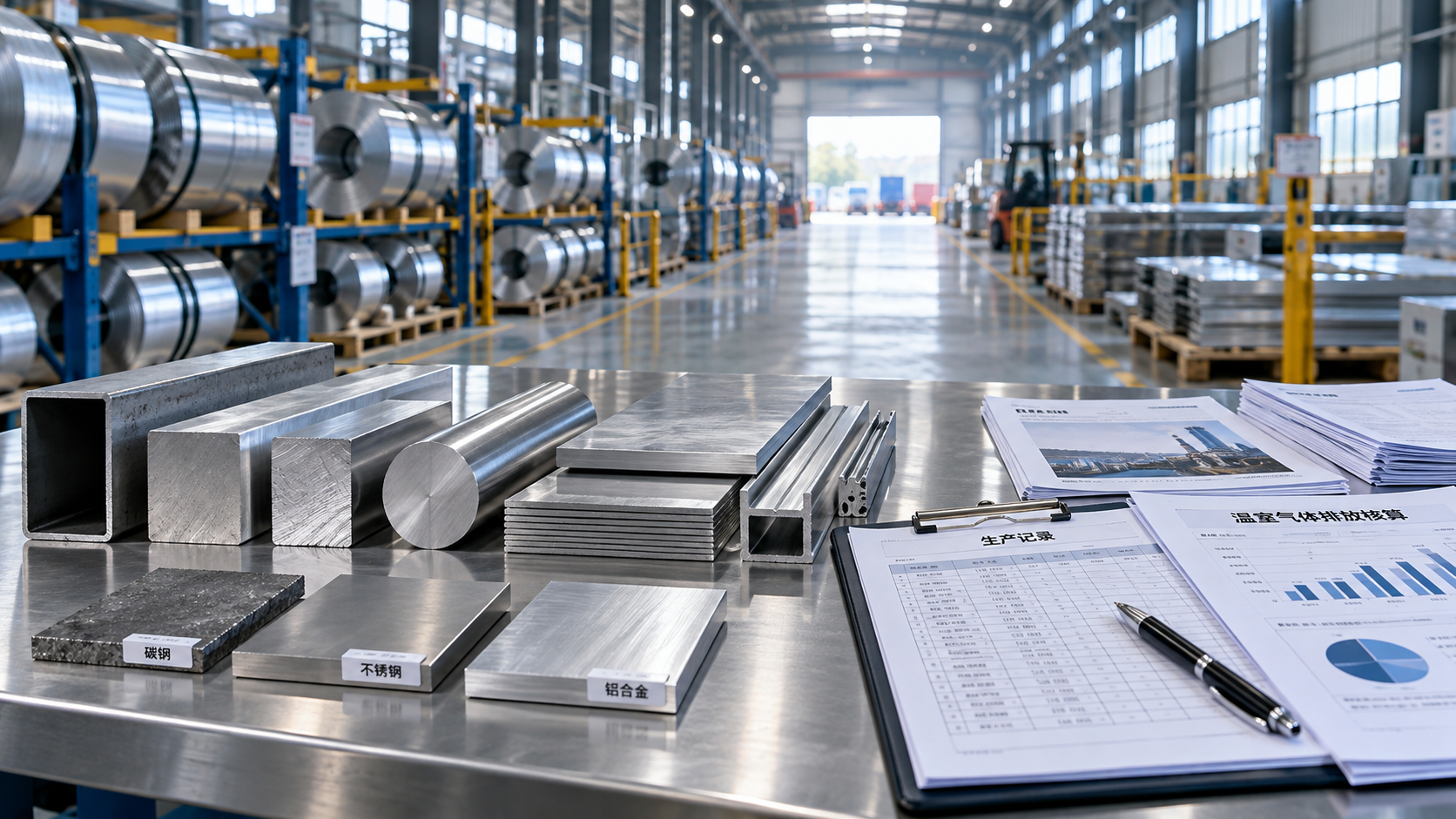
 European Commission Updates CBAM Emissions Accounting Guidance for Definitive PhaseOct 19, 2026
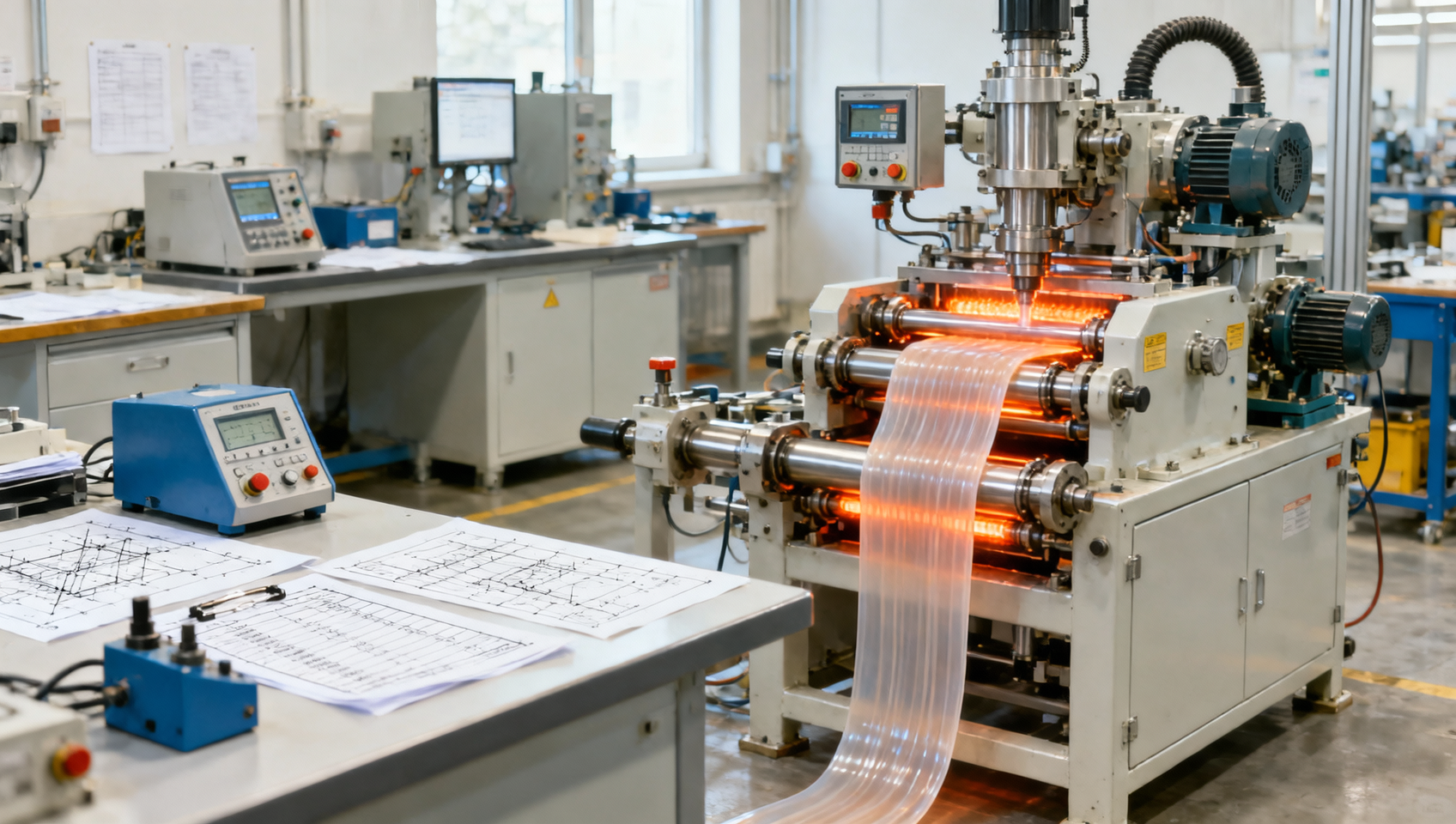
 Documentation and Test Runs That Reduce Risk in Used Extruder PurchasesOct 09, 2026
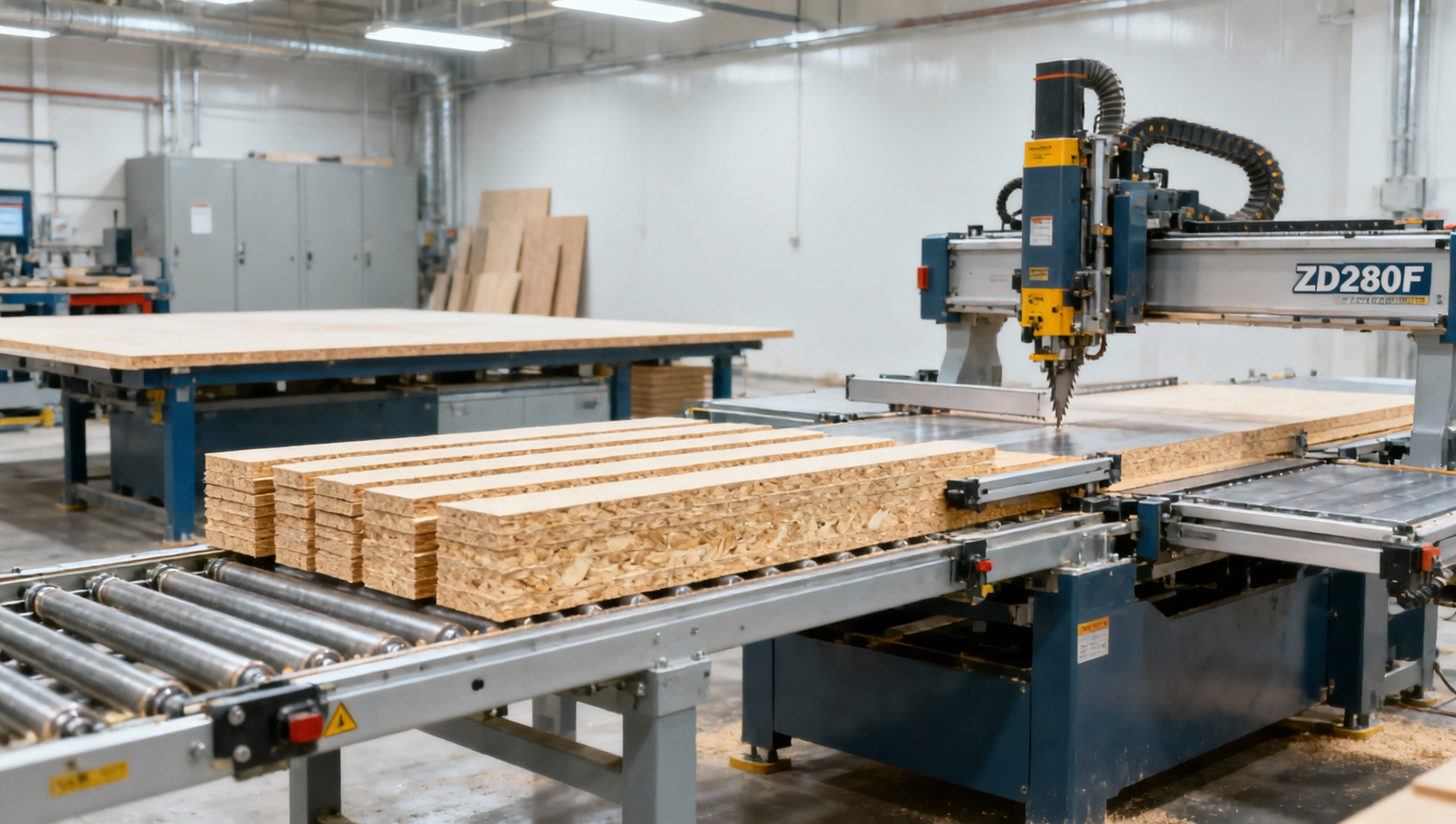
- What to Verify in ZD280F Cutting Capacity Before Panel Saw PurchaseOct 08, 2026
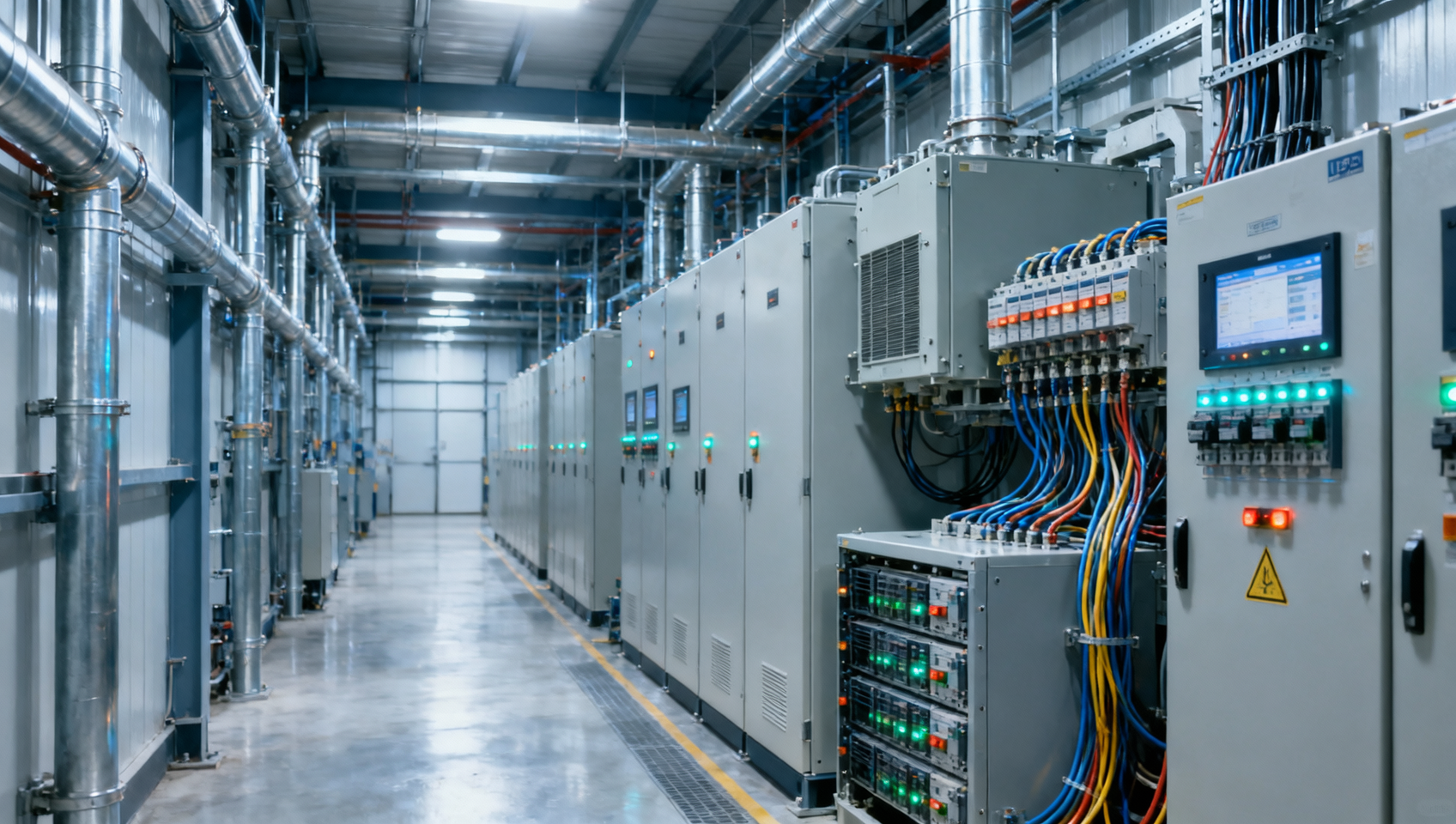
- What Are the Reliability Benchmarks for Industrial Power Equipment?Oct 08, 2026
Industry Briefing
Get the top 5 industry headlines delivered to your inbox every morning.
Related News
Linglong Tires Halts Brazil Plant Project Amid Standards and Governance Gaps




Linglong Tire announced on May 27, 2026, the termination of its overseas investment project in Brazil—a facility previously approved in 2025 with planned annual capacity exceeding 10 million tire units. The decision underscores growing complexities for global manufacturers navigating regulatory alignment, ESG integration, and partner governance in emerging markets.
Confirmed Project Termination Details
Linglong Tire disclosed after market hours on May 27, 2026, that it has formally terminated its Brazil-based production facility project. The project had received official approval in 2025 and was designed to manufacture over 10 million tire units per year. The termination resulted from unresolved disagreements with its local partner concerning three core areas: localization requirements for manufacturing standards, pathways to environmental compliance, and long-term equity structure arrangements.
Implications Across Supply Chain Roles
Direct exporters and international trading firms
These entities may face revised regional supply expectations as projected Brazilian-sourced volume disappears. They must reassess logistics routing, tariff classification strategies, and documentation readiness for alternative sourcing destinations—particularly where technical specifications or certification regimes differ.
Raw material procurement organizations
Suppliers of rubber compounds, steel cord, and chemical additives may experience shifts in demand timing and regional allocation. With the Brazil plant canceled, upstream planning cycles—especially those tied to ISO 9001/14001-aligned production schedules—require recalibration against actual rather than anticipated downstream capacity.
OEM and contract manufacturing facilities
Manufacturers relying on localized assembly or finishing operations in Latin America must now evaluate whether their own technical bid alignment—including adherence to INMETRO requirements, ABNT NBR standards, and local emissions testing protocols—remains robust without integrated anchor partners like Linglong.
Supply chain service providers
Logistics integrators, customs brokers, and compliance verification agencies need to monitor evolving interpretations of Brazil’s environmental licensing procedures (e.g., IBAMA and state-level CONAMA frameworks) and anticipate increased due diligence requests related to ESG disclosures in cross-border joint ventures.
Strategic Focus Areas for Global Manufacturers
Pre-investment alignment on technical and environmental standards
Before committing capital, manufacturers must secure mutual understanding—not just contractual clauses—on applicable national standards (e.g., ABNT, INMETRO), conformity assessment routes (e.g., mandatory INMETRO certification for tires), and harmonization with international benchmarks such as ISO 26262 or ISO 14064.
ESG integration beyond reporting
Environmental compliance paths require operational specificity: waste treatment methods, water reuse ratios, carbon accounting boundaries, and third-party verification scope must be jointly defined and contractually anchored—not treated as post-signing implementation items.
Governance architecture for long-term partnerships
Equity structures must reflect enforceable mechanisms for dispute resolution, technology transfer oversight, and board-level ESG accountability—particularly where local partners hold majority voting rights but lack equivalent sustainability governance maturity.
Industry Perspective: Beyond Incentives to Interoperability
Analysis shows that fiscal incentives alone no longer suffice for successful manufacturing footprint expansion in high-potential emerging markets. What deserves closer attention is the rising cost of *regulatory interoperability*: the ability to align product certifications, environmental management systems, and corporate governance models across jurisdictions without compromising speed-to-market. Observably, delays are increasingly triggered not by macroeconomic conditions, but by misaligned interpretations of ‘local content’, divergent audit frequencies under ISO 14001, or unharmonized definitions of ‘green manufacturing’ in bilateral investment treaties.
Key Takeaway for Strategic Planning
This case does not signal retreat from global investment—but a recalibration toward deeper pre-deployment due diligence. Success hinges less on scale ambition and more on the precision of standard mapping, ESG co-design, and governance scaffolding. For manufacturers, the new threshold is not capital availability, but institutional compatibility.
Source Attribution and Verification Notes
This article was generated exclusively from the provided information: title, event date (May 27, 2026), and summary description. Specific official source links were not provided in the input and should be verified continuously. Stakeholders are advised to track updates from Brazil’s Ministry of Development, Industry and Trade (MDIC), National Institute of Metrology, Quality and Technology (INMETRO), and the Brazilian Institute of Environment and Renewable Natural Resources (IBAMA), particularly regarding enforcement timelines for Resolution CONAMA No. 499/2018 and upcoming revisions to tire labeling requirements.