
Related News
 How Does the EU Carbon Border Tax Affect Steel Exports?Oct 08, 2026
- What Maintenance Costs Should You Expect for Imported Construction Machinery?Oct 08, 2026
- Are Carbon Fiber Composites Ready for Mass Use in Construction Equipment?Oct 08, 2026
- How to Verify an Industrial Supplier’s Delivery Track RecordOct 08, 2026




Industry Briefing
Get the top 5 industry headlines delivered to your inbox every morning.
Related News
Rebar Market Trends: Why Construction Buyers Are Rethinking Supply Reliability





Construction steel buyers are paying closer attention to reinforcement supply because project schedules, financing pressure, and regional infrastructure demand all depend on material arriving at the right specification and time. For contractors, distributors, precast producers, and building-material importers, Rebar is no longer treated as a simple tonnage item. It is a schedule-sensitive product that affects concrete work, site labor planning, warehouse turnover, and customer commitments.
This market trend is not only about price movement. It is about how buyers manage specification consistency, project timing, stock risk, supplier communication, and documentation. A low quotation can look attractive, but if the material arrives late, with unclear marking, mixed sizes, or poor coordination with cutting and bending schedules, the commercial impact can be larger than the initial saving. As a result, serious buyers are building more disciplined sourcing routines for reinforcing steel.
Trend One: Buyers Are Shifting From Spot Buying to Schedule Planning
Reinforcing bar demand is closely tied to construction cycles. When infrastructure projects, residential developments, industrial plants, or public works move from planning to execution, demand can rise quickly. Buyers who wait until the final moment may face tight availability, higher logistics pressure, or difficulty matching exact specifications. This has encouraged more companies to plan rebar purchasing around project milestones rather than only around short-term price offers.
Schedule planning helps buyers coordinate delivery with concrete pouring, fabrication, storage, and site installation. It also reduces the risk of ordering too much of one diameter while lacking another. In markets where project timelines are strict, material timing can be as important as material cost. Buyers increasingly want suppliers that can discuss lead time realistically and support clear shipment sequencing.
Trend Two: Specification Discipline Is Becoming More Important
Rebar may appear standardized, but buyers still need to manage grade, diameter, length, rib pattern, bundle marking, and project documentation. If a project requires a specific grade or local acceptance standard, a generic reinforcing bar description is not enough. The purchasing team should confirm what the engineer, contractor, or local authority expects before placing the order.
Specification discipline also protects distributors. A warehouse may serve multiple customers with different project requirements. If labels, bundle markings, and packing lists are unclear, material can be misallocated. That creates customer complaints and slows order fulfillment. Clear product descriptions and receiving checks are becoming more important as buyers handle more varied project demand.
Trend Three: Inventory Strategy Is More Selective
Many distributors want enough stock to respond quickly, but holding every diameter and grade in large quantities ties up capital. The result is a more selective inventory strategy. Buyers may keep fast-moving sizes in stock while ordering project-specific sizes after confirming demand. This approach requires better sales forecasting, supplier communication, and warehouse discipline.
For project buyers, inventory strategy is tied to site storage. Rebar is bulky and heavy, and poor storage can create rust, mix-ups, or handling delays. A buyer may prefer staged delivery rather than one large shipment if the jobsite has limited storage space. In this environment, supplier flexibility and delivery planning become part of the purchasing decision.
Trend Four: Logistics and Bundle Identification Matter More
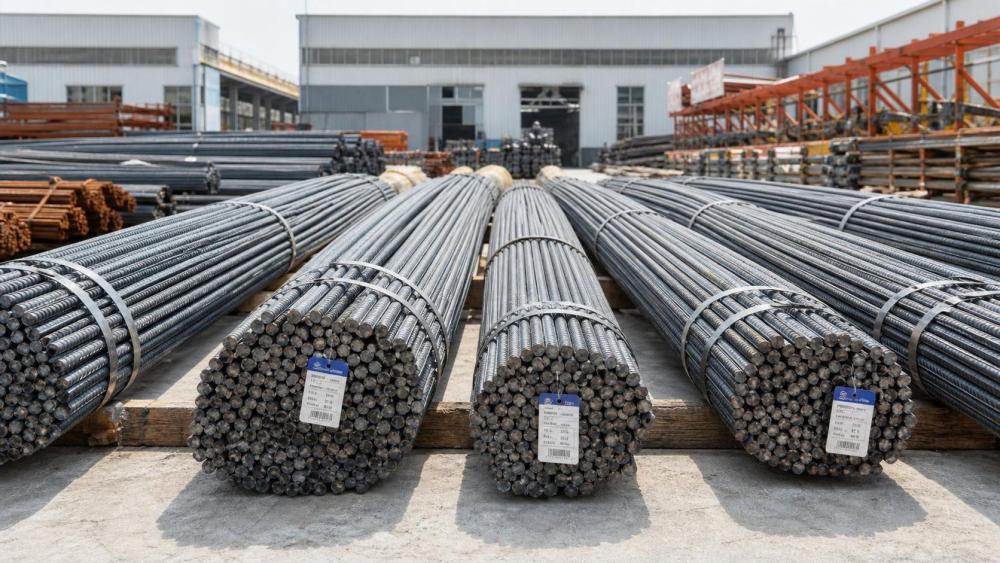
Rebar is often delivered in bundles, and a shipment may include several diameters or lengths. If bundle labels are weak, receiving teams can spend extra time sorting material. If site teams cannot identify the correct size quickly, cutting, bending, and installation schedules may slow down. This is why buyers increasingly treat bundle marking as part of order quality rather than a small warehouse detail.
International buyers also need to consider port handling, inland transport, unloading equipment, and storage yard access. A shipment that is technically correct can still create problems if it is difficult to unload or identify. For distributors, clear labels help split stock among multiple customers. For contractors, clear labels help move material to the correct work zone.
Trend Five: Fabrication and Pre-Processing Are Influencing Orders
Some buyers purchase straight rebar for site cutting and bending, while others work with fabrication yards or pre-processing partners. The more processing involved, the more important specification consistency becomes. Diameter tolerance, straightness, rib condition, and bundle organization can all affect cutting and bending efficiency.
Buyers serving fabrication customers should ask how the material will be processed after arrival. If the rebar feeds automated cutting or bending equipment, consistent length and size identification matter. If the material is resold to small contractors, packaging and common size availability may be more important. Matching the supply format to the customer's workflow can improve buyer loyalty.
How Buyers Can Respond to the Current Market
The most practical response is to create a repeatable procurement checklist. Before confirming an order, buyers should define the application, project schedule, grade, diameter range, length, quantity, delivery sequence, packing requirements, and documentation needs. They should also ask whether the supplier can support future repeat orders, because one successful shipment is not enough for long-term construction supply.
Buyers should also compare suppliers by more than price. Strong suppliers provide clear product descriptions, realistic lead-time communication, organized packing, and consistent documentation. These factors help reduce hidden project costs. In a market where construction schedules are sensitive, reliability can be a stronger advantage than a small price difference.
Another trend is the rise of regional demand differences. Some markets may be driven by public infrastructure, while others are shaped by housing, industrial parks, logistics warehouses, or repair projects. A buyer serving several regions should not assume that the same diameter mix will sell equally everywhere. Tracking customer inquiries by project type helps distributors decide which sizes deserve warehouse stock and which should remain project-order items.
Supplier collaboration is also becoming more important. Buyers who share forecast ranges, likely shipment windows, and preferred bundle requirements can often plan more smoothly than buyers who only send urgent purchase orders. This does not require revealing sensitive commercial information. Even a basic view of expected size ranges and delivery months can help both sides prepare production, packing, and logistics more responsibly.
For contractors, the same logic applies at project level. Procurement teams should coordinate with engineers, site managers, and rebar processing teams before finalizing the purchase. When these groups work separately, material may arrive in the wrong sequence or without the information needed for quick site allocation. A market-aware procurement process connects price, schedule, and execution instead of treating them as separate decisions.
Market-Focused Procurement Checklist
- Confirm project type, grade requirement, diameter range, length, and quantity before quotation.
- Match purchasing schedule to construction milestones, fabrication needs, and site storage limits.
- Check bundle marking, packing list details, and receiving inspection procedures.
- Separate common inventory items from project-specific orders to control stock risk.
- Ask whether the supplier can support repeat sizes and stable documentation.
- Plan logistics around port handling, unloading equipment, and inland delivery timing.
- Use supplier performance records to guide repeat purchases, not only first-order pricing.
- Review customer feedback after each shipment to improve the next procurement cycle.
FAQ
Why is rebar procurement becoming more schedule-sensitive?
Reinforcement must arrive before concrete work and related site activities can move forward. Delays or specification errors can affect labor planning, formwork, fabrication, and project milestones.
Should buyers focus only on price when purchasing reinforcing steel?
No. Price is important, but buyers should also review grade, diameter, length, marking, documentation, packing, logistics, and supplier reliability. These factors influence the total order outcome.
Is a specific product page better than a broad category page?
Yes. A specific product page gives readers a direct reference for the material discussed in the article and keeps the anchor text aligned with the buyer's search intent.
How can distributors reduce inventory risk?
They can keep fast-moving diameters in stock, use confirmed project orders for less common sizes, maintain clear labels, and track customer demand by grade and diameter.