
Related News
 How Does the EU Carbon Border Tax Affect Steel Exports?Oct 08, 2026
- What Maintenance Costs Should You Expect for Imported Construction Machinery?Oct 08, 2026
- Are Carbon Fiber Composites Ready for Mass Use in Construction Equipment?Oct 08, 2026
- How to Verify an Industrial Supplier’s Delivery Track RecordOct 08, 2026




Industry Briefing
Get the top 5 industry headlines delivered to your inbox every morning.
Procurement software comparison: integration, visibility, control





Choosing the right procurement software now has wider implications than simple purchase order automation. In industrial markets, evaluation quality depends on integration depth, real-time visibility, and strong control across fragmented supply chains.
As pricing volatility, compliance pressure, and project complexity increase, procurement software comparison becomes a strategic task. Systems must connect data, expose risk, and support faster decisions without weakening governance.
Why procurement software comparison now centers on integration and transparency
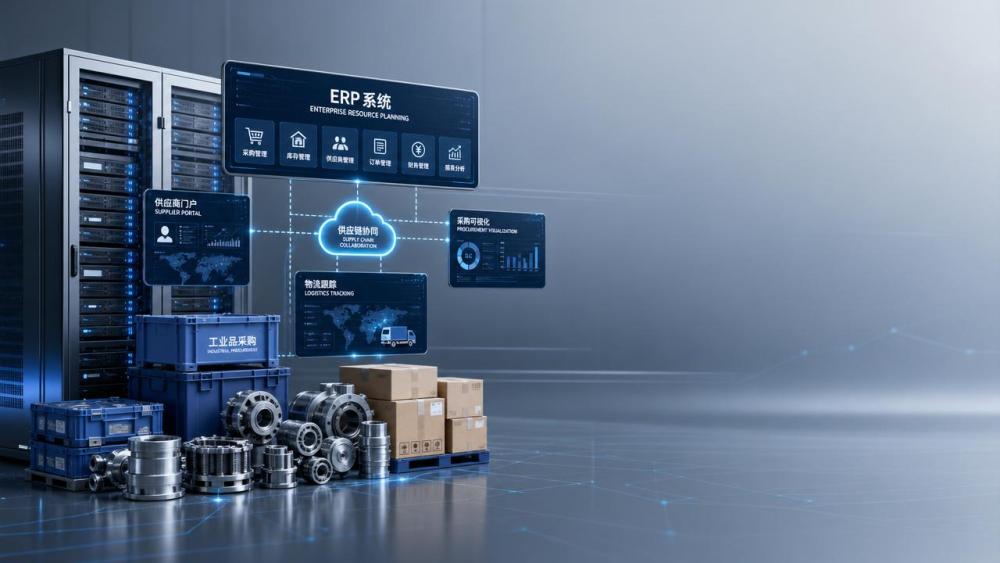
Industrial procurement has changed. Orders often span raw materials, equipment, logistics, maintenance parts, and contracted services across multiple regions and business units.
Older tools handled transactions. Newer procurement software must support connected decision-making. It should pull information from ERP, inventory, finance, supplier portals, contract libraries, and market intelligence sources.
This is why procurement software comparison increasingly focuses on three questions. Can the platform integrate cleanly, can it reveal spend and supplier exposure, and can it enforce approval and policy control?
In heavy industry and adjacent sectors, these questions matter because delays, quality issues, and compliance failures can disrupt production schedules and capital project timelines very quickly.
The strongest trend signals are coming from fragmented data and rising risk
Several market signals are pushing organizations to reassess procurement software. The first is fragmented information spread across email, spreadsheets, legacy purchasing tools, and disconnected supplier records.
The second signal is rising external uncertainty. Tariff shifts, environmental reporting rules, shipping disruptions, and commodity price swings make static procurement processes increasingly fragile.
The third signal is greater scrutiny of spend leakage. Without strong procurement software visibility, duplicate vendors, off-contract purchases, and slow approvals can hide inside ordinary operations.
These pressures are changing software evaluation criteria. Feature lists alone are no longer enough. Buyers need evidence that procurement software can operate as a control layer for industrial decision flows.
What is driving procurement software comparison in complex industrial environments
The shift is not caused by technology alone. It comes from operating realities across sourcing, project execution, inventory planning, supplier management, and financial oversight.
These drivers explain why procurement software comparison increasingly includes integration architecture, data governance, supplier performance tracking, exception handling, and multi-entity workflow support.
How integration quality separates strong procurement software from basic tools
Integration is often the deciding factor. A platform may look modern, but weak connectivity can create manual workarounds, inconsistent records, and poor trust in dashboard outputs.
Core integration points that deserve close review
- ERP synchronization for suppliers, purchase orders, receipts, and invoices.
- Inventory and maintenance links for spare parts and planned shutdowns.
- Finance connections for budgets, cost centers, tax rules, and payment status.
- Contract repositories for pricing terms, renewal alerts, and compliance checks.
- External market data for price benchmarking and sourcing decisions.
The best procurement software supports both standardized and flexible integration. Industrial businesses often run mixed environments, including legacy systems, regional tools, and customized operational databases.
During procurement software comparison, ask how data is mapped, updated, validated, and monitored. Integration success depends on governance, not only APIs.
Visibility is becoming the key requirement for spend, suppliers, and operational exposure
Visibility is more than a dashboard. Good procurement software turns scattered records into usable insight about category spend, supplier concentration, approval bottlenecks, delivery performance, and contract utilization.
In heavy industry, visibility also needs context. A delayed valve, transformer component, or refractory material order can have wider production effects than its invoice value suggests.
What useful visibility should include
- Spend by category, plant, project, and region.
- Supplier performance by quality, delivery, and responsiveness.
- Open commitments versus approved budgets.
- Exception alerts for contract deviation and off-policy buying.
- Exposure tracking linked to price movements or trade restrictions.
This level of visibility improves prioritization. It helps identify where procurement software can support resilience, not just administrative efficiency.
Control capabilities now define whether procurement software can scale safely
Control is often misunderstood as rigid approval routing. In practice, strong procurement software control means policy enforcement with enough flexibility for operational urgency.
Industrial businesses need approvals that reflect risk, value, category, entity, location, and project stage. They also need clean audit trails and role-based permissions.
In procurement software comparison, control should be judged by practical exception handling. Emergency buys, replacement parts, and cross-border orders often test whether rules are usable.
The impact reaches sourcing, finance, compliance, and project execution at the same time
A strong procurement software choice does not affect one department only. It influences sourcing speed, invoice accuracy, contract adherence, supplier collaboration, and reporting credibility.
When integration, visibility, and control are weak, the impact spreads. Teams rely on manual checks, project timelines slip, spend analysis becomes unreliable, and policy enforcement turns reactive.
- Sourcing is affected by poor supplier data and slower comparisons.
- Finance is affected by mismatched records and budget blind spots.
- Compliance is affected by weak documentation and inconsistent approvals.
- Operations are affected by delivery uncertainty and low inventory coordination.
What deserves the closest attention during procurement software comparison
Several evaluation priorities consistently matter more than broad feature counts. These areas help distinguish software that performs in industrial conditions from software that only demos well.
- Data accuracy controls across supplier, contract, and spend records.
- Workflow configurability without heavy customization.
- Support for multi-site, multi-entity, and international purchasing.
- Reporting depth for commodity exposure and supplier risk patterns.
- Implementation realism, including migration, user adoption, and integration testing.
- Ability to support policy changes, audit demands, and market disruptions.
A practical way to judge options before making a final decision
A structured approach improves procurement software comparison. Start with business scenarios, not vendor claims. Build test cases around common orders, exceptions, supplier onboarding, and cross-system reporting.
- Map current process gaps tied to integration, visibility, and control.
- Rank use cases by operational and financial risk.
- Request scenario-based demonstrations using real industrial workflows.
- Validate reporting outputs against sample source data.
- Review implementation dependencies, ownership, and governance requirements.
This method keeps procurement software evaluation grounded in measurable needs. It also reveals whether a solution can support long-term operational visibility and disciplined control.
For businesses tracking industrial news, policy shifts, price signals, project developments, and trade risks, procurement software should connect external intelligence with internal execution. That connection often determines decision quality.
The next step is simple. Define the most critical integration points, identify the visibility gaps that create risk, and test whether procurement software can enforce control without slowing essential purchasing activity.