
Related News
 European Commission Updates CBAM Emissions Accounting Guidance for Definitive PhaseOct 19, 2026
 Documentation and Test Runs That Reduce Risk in Used Extruder PurchasesOct 09, 2026
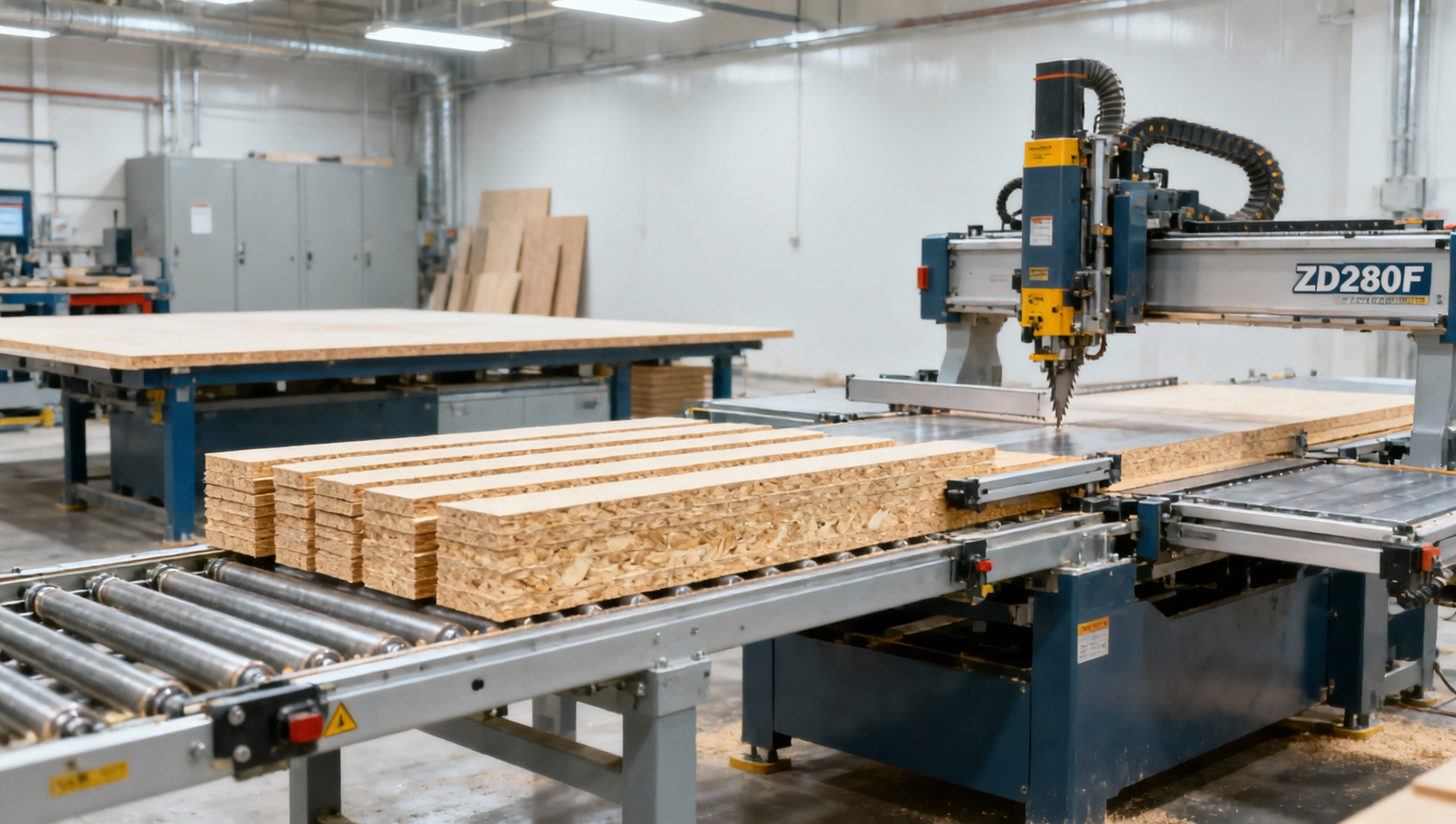
- What to Verify in ZD280F Cutting Capacity Before Panel Saw PurchaseOct 08, 2026
- What Are the Reliability Benchmarks for Industrial Power Equipment?Oct 08, 2026



Industry Briefing
Get the top 5 industry headlines delivered to your inbox every morning.
Related News
China Requires Registration for Overseas Food Exporters




On June 1, 2026, China formally put into effect new customs rules requiring all overseas food manufacturers exporting to the Chinese market to complete customs registration before their products can enter the country. The change directly matters to foreign suppliers, import traders, procurement teams, and supply chain service providers, especially in meat, aquatic products, dairy, and infant formula, because market access is now tied more explicitly to registration compliance.
What the new rule now makes clear
The Regulation on the Registration and Administration of Overseas Manufacturers of Imported Food of the People’s Republic of China (General Administration of Customs Order No. 280) officially took effect on June 1, 2026.
Under the rule, all overseas manufacturers exporting food to China must complete customs registration. Products from unregistered enterprises will not be allowed to enter China.
The information provided indicates that the rule covers key categories including meat, aquatic products, dairy products, and infant formula food. The measure directly affects export access and compliance pathways for overseas suppliers serving the China market.
Where the impact is likely to appear first
Exporters and direct trading companies face an immediate access threshold
From an industry perspective, the most direct impact falls on overseas food producers and trading businesses tied to China-bound shipments. If registration is now a prerequisite for entry, the core business issue is no longer only product sales, but whether the supplier itself meets the market-entry condition required by customs.
Procurement and sourcing teams may need to recheck supplier eligibility
Analysis shows that buyers, importers, and sourcing teams connected to cross-border food procurement may be affected at the supplier-screening stage. For categories specifically mentioned in the available information, the practical concern is whether existing and potential suppliers have completed registration before shipment and contract execution move forward.
Logistics and compliance service providers will be drawn into document coordination
Observably, supply chain service providers, customs-related service teams, and documentation coordinators may see greater pressure in the compliance handoff process. The issue is not simply transportation, but whether upstream registration status aligns with downstream customs clearance and delivery arrangements.
Category-sensitive businesses should pay closer attention
For businesses handling meat, aquatic products, dairy products, and infant formula food, the rule is likely to carry more immediate operational relevance because these categories are expressly identified in the provided event summary. Companies operating in these segments may need to track compliance status more closely than before.
What companies should be checking now
Whether overseas manufacturing entities are already registered
What deserves closer attention is the registration status of the actual overseas food manufacturer, not only the commercial party handling the transaction. Businesses involved in China-bound food trade may need to confirm whether the relevant production entity has completed customs registration under the new rule.
Whether key product lines fall into the highlighted categories
Companies dealing in meat, aquatic products, dairy products, and infant formula food should review whether these product lines are exposed to more immediate compliance pressure under the rule as described in the provided information. This matters for shipment planning, procurement sequencing, and customer communication.
The difference between policy wording and operational execution
Analysis shows that one practical focus will be how the registration requirement is reflected in real transaction workflows. Businesses should distinguish between the policy’s formal requirement and the operational steps needed to avoid shipment disruption, especially where supplier qualification, supporting documents, and delivery timing are closely linked.
How to prepare for communication and contingency arrangements
For importers, distributors, and supply chain coordinators, a reasonable near-term focus is internal and external communication: checking supplier credentials, clarifying document responsibilities, and preparing contingency plans if a supplier has not yet completed the required registration. This is an operational observation rather than a confirmed outcome, but it is directly tied to the rule’s entry restriction.
Why this should be read as more than a routine update
Observably, this development is not just a procedural notice. It signals that access to China’s imported food market is being tied more clearly to pre-entry compliance at the manufacturer level. Based on the information provided, it is more appropriate to understand this as an already effective compliance requirement rather than a tentative policy direction.
At the same time, analysis shows that the full business impact may still depend on how companies verify registration status, adjust sourcing arrangements, and translate the rule into day-to-day shipment control. That is why the development should also be followed as an ongoing industry dynamic, not only as a one-day policy event.
How the market may need to interpret the change
In practical terms, this update points to a clearer compliance gate for food exports to China. Its significance lies less in headline value and more in the fact that unregistered overseas manufacturers will not be able to get products into the market. For industry participants, the more balanced reading is that this is both an immediate rule change and a longer-term compliance signal for cross-border food trade.
It is more appropriate to understand this development as a concrete market-access requirement that now deserves close operational follow-up, especially for companies exposed to the highlighted food categories and China-linked supply arrangements.
Basis of this article and what still needs verification
This article is based on the user-provided news title, event date, and event summary. The analysis above is limited to the confirmed information provided: the implementation date of June 1, 2026, the effect of General Administration of Customs Order No. 280, the requirement for overseas food manufacturers exporting to China to complete registration, the denial of entry for products from unregistered enterprises, and the mention of meat, aquatic products, dairy products, and infant formula food as key categories.
For this type of industry update, relevant source types typically include official government notices, company disclosures, industry association updates, authoritative media reporting, and standard or regulatory documents. A specific official source link was not provided in the input, so further verification remains necessary. Follow-up attention should focus on any later official clarifications, implementation details, and practical interpretations affecting export compliance workflows.