
Related News
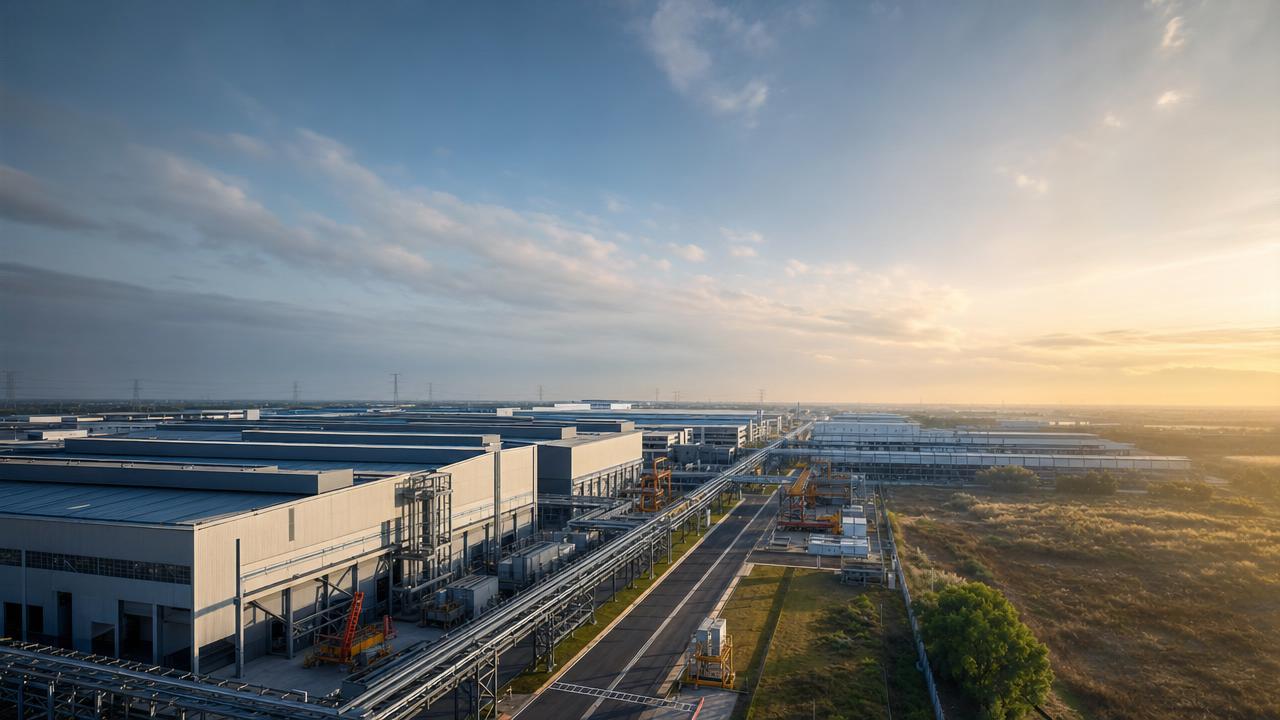
 How industrial policy impacts are changing factory expansion plansMay 21, 2026
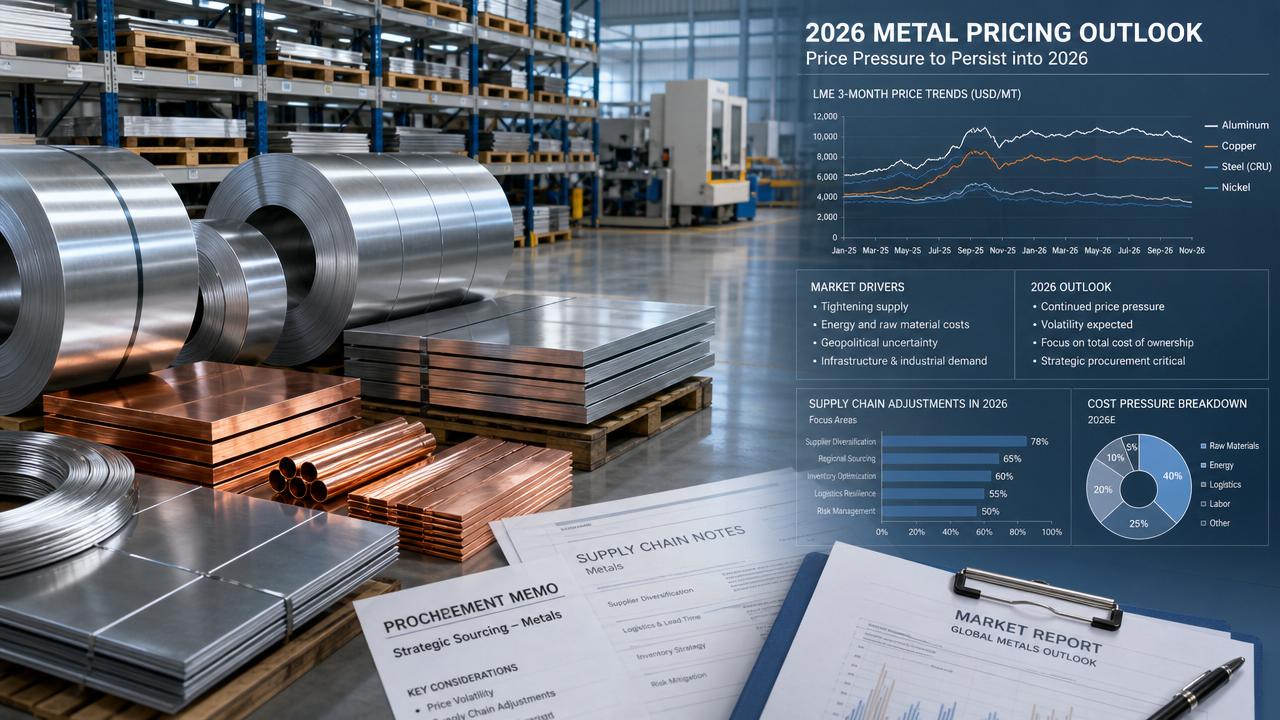
- Metal industry analysis points to new pricing pressure in 2026May 21, 2026
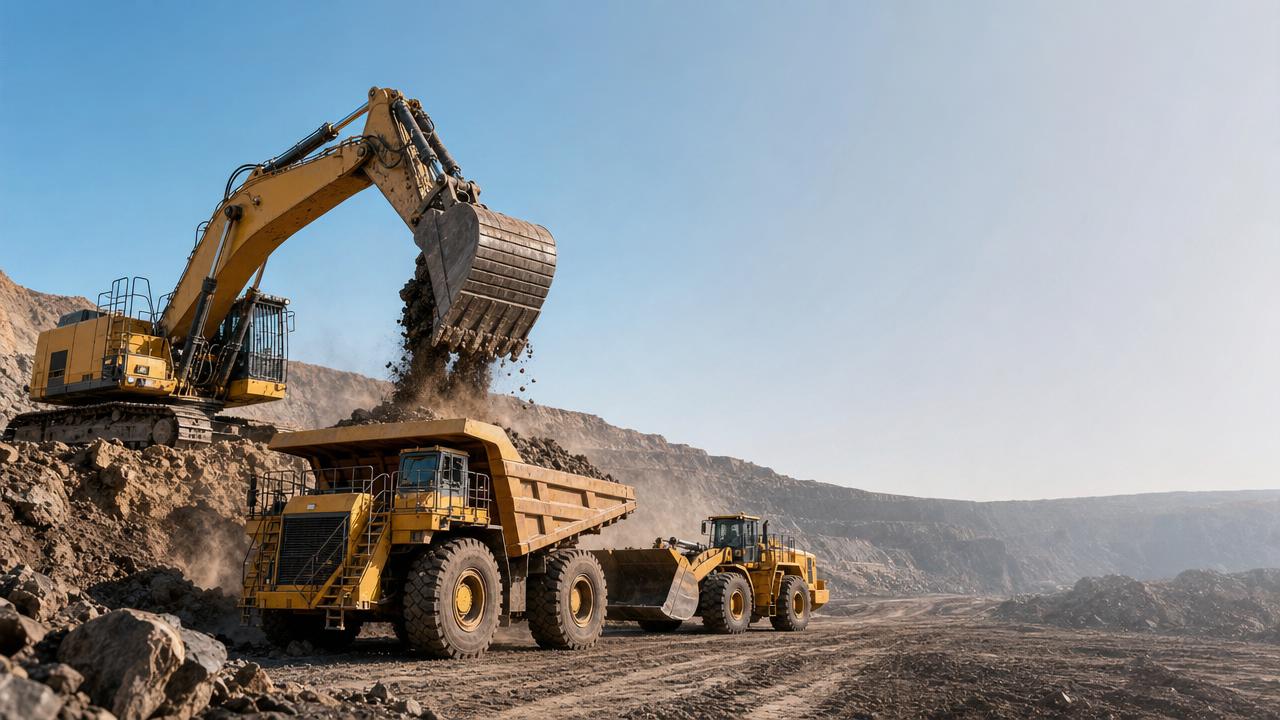
- How mining extraction equipment choices affect uptime and safetyMay 21, 2026
- When industrial automation technology pays off and when it does notMay 21, 2026

Industry Briefing
Get the top 5 industry headlines delivered to your inbox every morning.
Related News
Why Industrial Machinery Wholesalers Often Can’t Guarantee Lead Times for Customized Conveyors





For industrial machinery wholesalers—especially those supplying customized conveyors to sectors like food processing, pharmaceuticals, automotive, cement, and waste management—the inability to guarantee lead times is a persistent operational reality. This challenge stems from complex variables: OEM integration requirements, stringent industrial machinery specifications, fluctuating raw material availability, and client-specific adaptations across industries including steel plants, chemical facilities, and power plants. Whether you’re a procurement professional, plant operator, or enterprise decision-maker, understanding these constraints helps align expectations with industrial machinery distributor capabilities—and informs smarter sourcing strategies across the heavy industry value chain.
Why Custom Conveyor Lead Times Are Inherently Variable
Unlike standard off-the-shelf equipment, customized conveyors are engineered to meet precise mechanical, environmental, and regulatory demands. A typical project passes through 3–5 distinct development phases: specification finalization (5–10 business days), engineering design approval (7–15 days), component sourcing (2–8 weeks depending on steel grade or drive system availability), fabrication and QA testing (3–6 weeks), and logistics coordination (3–10 days). Each phase introduces dependency risks—especially when integrating third-party drives, sensors, or explosion-proof enclosures certified to IECEx or ATEX standards.
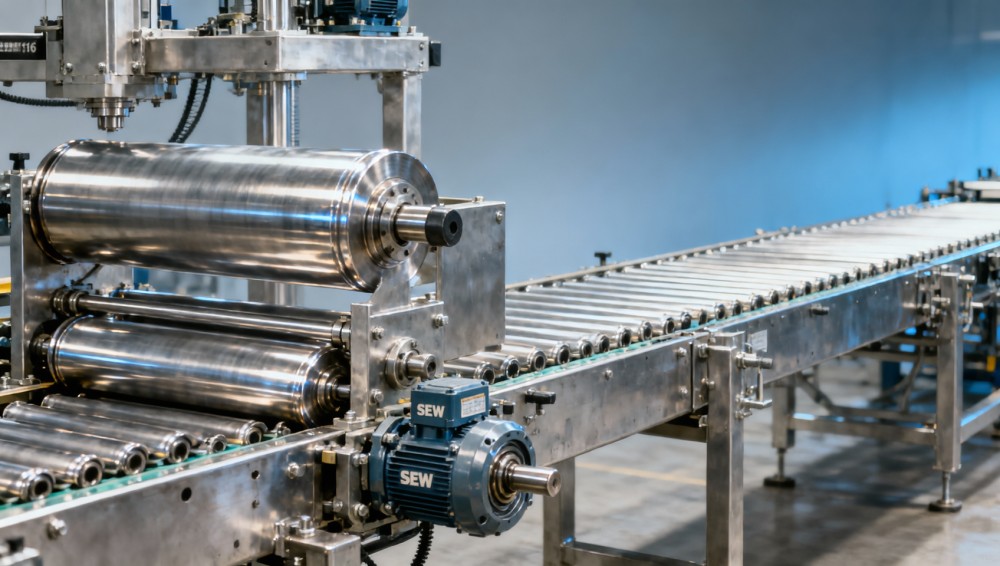
Raw material volatility further compounds uncertainty. For example, structural carbon steel plates (Q345B/SS400) sourced from Asia or Europe may face 4–12 week delays during Q4 due to seasonal port congestion and energy-driven mill output adjustments. Similarly, stainless-steel rollers (AISI 304/316) require 6–9 weeks minimum lead time when ordered in non-stock diameters or surface finishes (e.g., mirror-polished or electropolished).
Moreover, end-user validation cycles often extend timelines beyond contractual estimates. In pharmaceutical cleanroom applications, FAT (Factory Acceptance Testing) may involve 3–5 rounds of documentation review and mechanical dry-run verification before shipment—adding up to 2 additional weeks not reflected in initial quotations.
Key Variables Impacting Delivery Predictability
Industrial machinery wholesalers operate at the intersection of upstream supply chains and downstream engineering execution. Their capacity to commit to fixed delivery dates depends on five interlocking factors:
- Specification stability: Over 68% of delayed projects stem from late-stage engineering changes—e.g., shifting from belt-driven to servo-motorized indexing after frame fabrication begins.
- OEM component lead times: Key subassemblies like SEW-Movitrans gearmotors or Siemens SINAMICS VFDs carry published lead times ranging from 8–20 weeks, with no buffer for urgent orders.
- Regulatory alignment: Conveyors destined for Zone 21 dust environments must comply with EN 60079-31; certification documentation alone adds 10–14 days to release schedules.
- Logistics routing complexity: Sea freight from Shandong Province to Rotterdam averages 32–45 days—but port strikes, container shortages, or customs inspections can add 7–21 days unpredictably.
- Client-side readiness: 42% of “on-time” deliveries are held pending site readiness confirmation—e.g., foundation curing, power isolation, or crane access clearance.
Common Delivery Scenarios vs. Actual Outcomes
The table below compares quoted lead times against observed delivery performance across 127 recent custom conveyor projects handled by Tier-2 industrial machinery distributors in EMEA and APAC regions. All data reflect projects with full technical documentation submitted prior to order placement.
This variance reflects real-world friction—not inefficiency. Wholesalers who promise rigid deadlines often build in hidden buffers (e.g., quoting 22 weeks for a 16-week actual capability), eroding trust when exceptions arise. Transparency about variability enables better planning: e.g., aligning civil works with conveyor fabrication milestones rather than treating them as sequential dependencies.
How Procurement Teams Can Mitigate Schedule Risk
Procurement professionals and plant engineers gain leverage not by demanding guarantees—but by structuring engagements to reduce exposure. Start with early engagement: sharing preliminary layout sketches and process flow diagrams 12–16 weeks before formal RFQ issuance allows distributors to pre-validate feasibility and flag potential bottlenecks (e.g., incompatible motor mounting dimensions or insufficient headroom for maintenance access).
Second, define acceptance criteria upfront—not just dimensional tolerances (±1.5mm for frame squareness) but also test protocols (e.g., 8-hour continuous load run at 110% rated capacity) and documentation deliverables (3D STEP files, weld procedure specs, calibration certificates). This reduces post-FAT rework loops that delay handover.
Third, consider phased delivery where technically feasible. For long lines (>30m), splitting into 3–4 transportable modules enables earlier commissioning of upstream sections while downstream fabrication continues—cutting total site integration time by up to 30%.
Why Partner With a Heavy Industry-Focused Platform
Our platform serves as a trusted interface between procurement decision-makers and vetted industrial machinery suppliers across the heavy industry value chain. We don’t broker generic quotes—we facilitate structured technical alignment: validating material certifications (EN 10204 3.2), cross-referencing drive compatibility with existing PLC platforms (Rockwell ControlLogix, Siemens S7-1500), and benchmarking delivery timelines against historical project data from similar applications.
You can request actionable support for:
- Lead time de-risking analysis—including supplier capacity mapping and critical path simulation
- Custom conveyor specification review against ISO 5048, CEMA Standard 350, and regional safety directives
- Multi-supplier comparison reports with verified delivery history, not just catalog specs
- Technical liaison services for FAT/SAT coordination and documentation compliance (e.g., PED 2014/68/EU Annex I)
- Logistics risk assessment—including port congestion forecasts and alternative routing options
Contact us today with your conveyor scope, target delivery window, and key compliance requirements—we’ll provide a prioritized action plan within 48 business hours.