
Related News
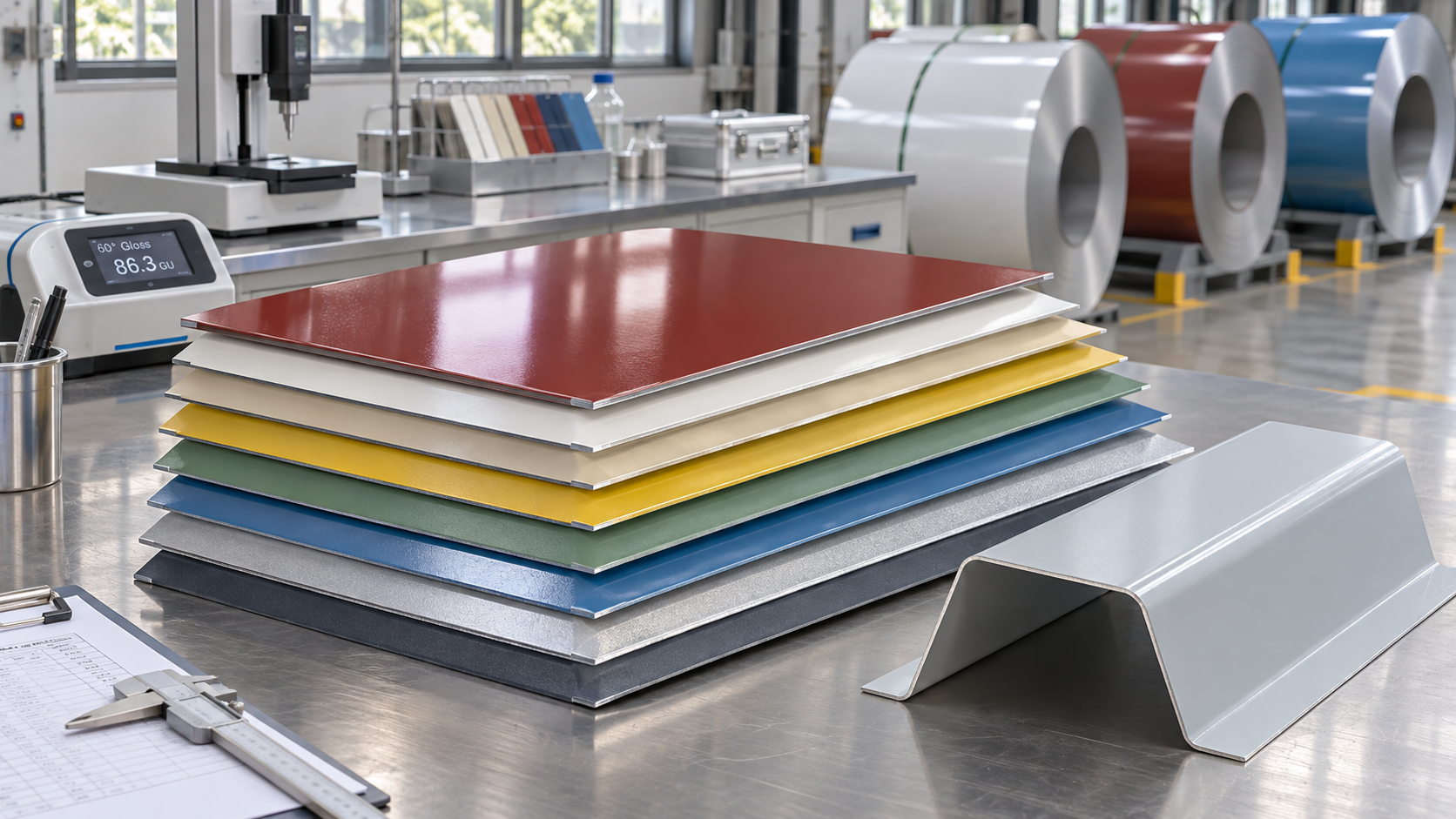
 Color Coated Steel Selection: Substrate, Coating and Service LifeNov 07, 2026
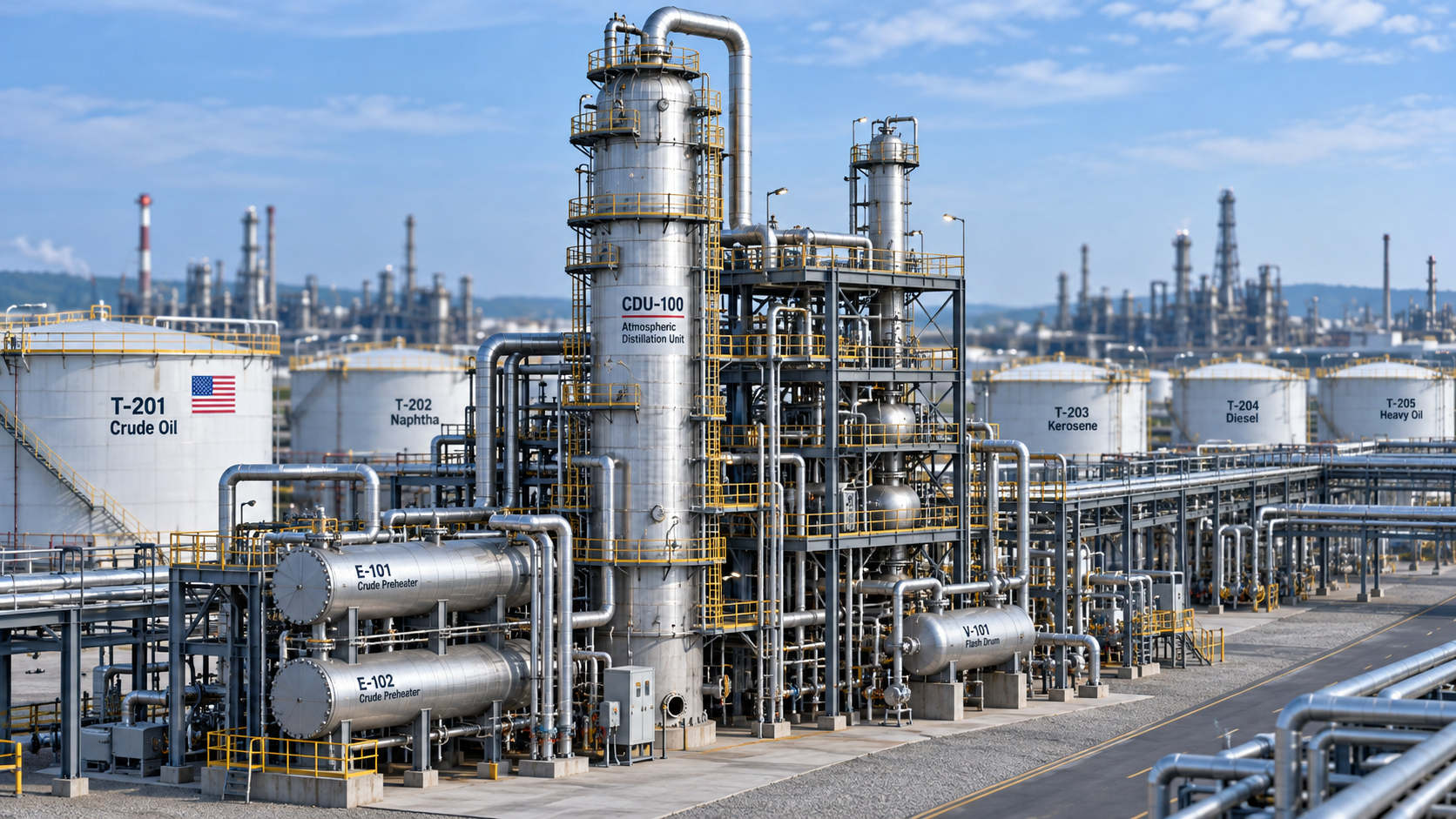
- US Refiners Shift Output From Gasoline to Middle DistillatesNov 06, 2026
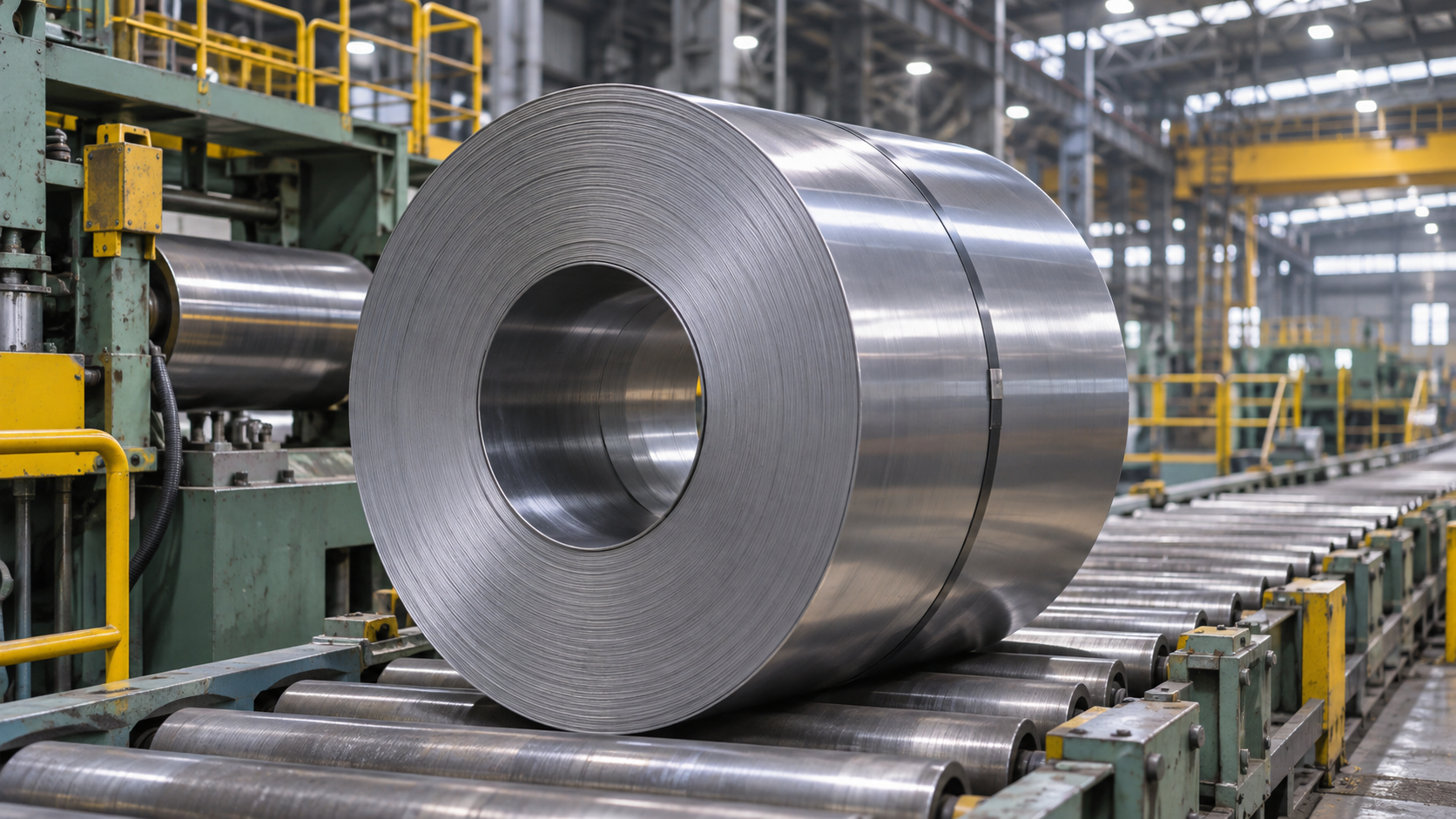
- China's Steel Output Falls 2.9% in 2026 as Industry Shifts to High-Performance SteelNov 05, 2026
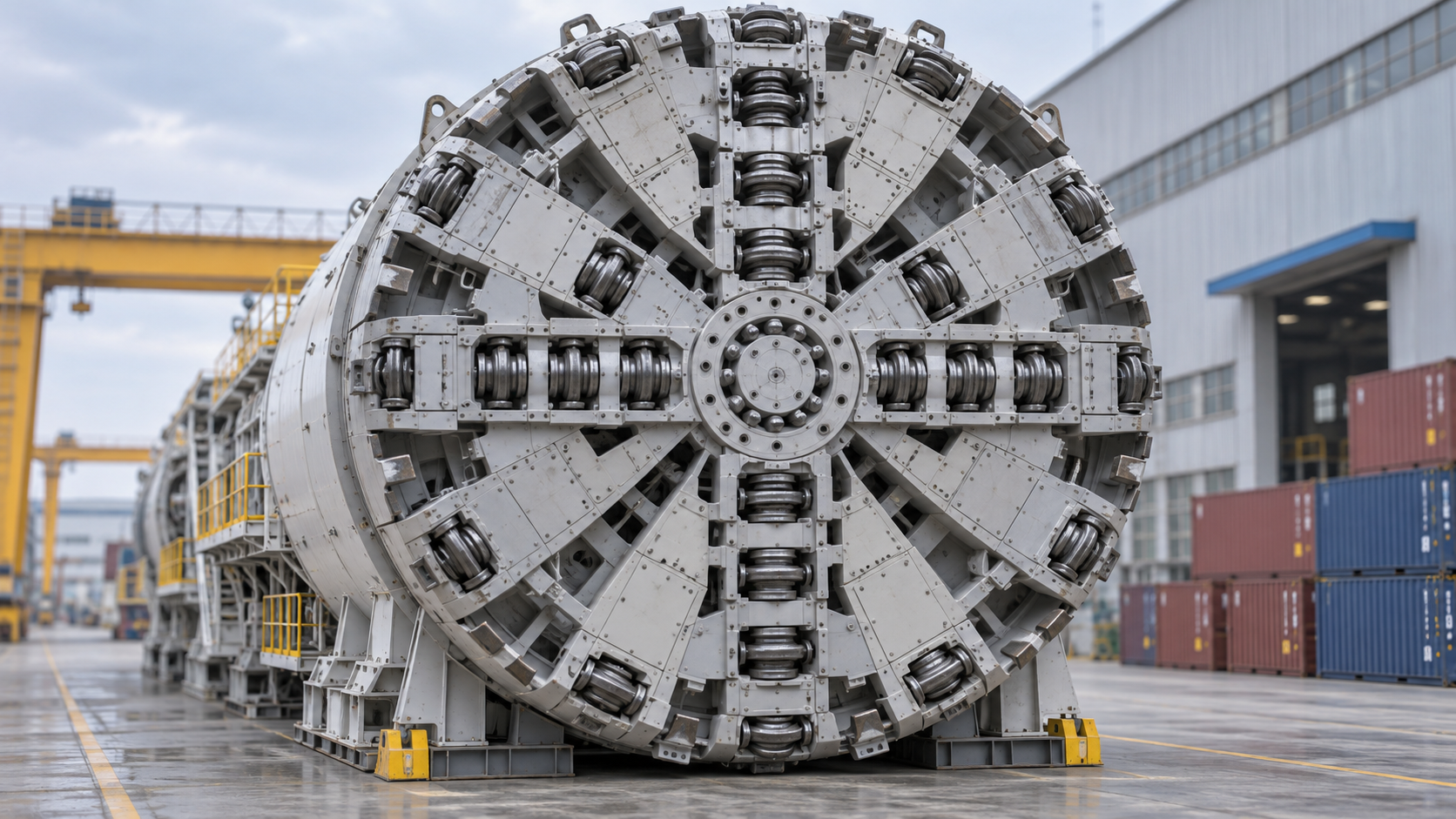
- China Tightens Technology Export Controls on Tunnel Boring Machines and DronesNov 04, 2026
Industry Briefing
Get the top 5 industry headlines delivered to your inbox every morning.
Related News
Industrial machinery specifications often omit environmental operating limits





Industrial machinery specifications often omit critical environmental operating limits—yet this gap directly impacts manufacturing efficiency, equipment longevity, and supply chain resilience. For procurement decision-makers, operators, and enterprise strategists, overlooking temperature, humidity, or dust tolerance can lead to unplanned downtime, higher maintenance costs, and misaligned sourcing—especially when evaluating manufacturing equipment suppliers or industrial machinery for mining, pharmaceuticals, or food processing. As global trade analysis and digital manufacturing tools reshape expectations, understanding these hidden specs is key to implementing manufacturing cost reduction strategies, selecting reliable industrial machinery exporters, and deploying robust industrial machinery application across sectors—from aerospace manufacturing standards to cement and steel plants.
Why Environmental Operating Limits Are Systematically Underreported
Manufacturers routinely publish technical datasheets highlighting power output, throughput capacity, and mechanical accuracy—but rarely specify the ambient conditions under which those metrics hold true. A conveyor system rated for 20 tons/hour may sustain that rate only between 5°C and 40°C and at ≤75% relative humidity. Outside that band, belt slippage increases by 12–18%, bearing wear accelerates by up to 3.5×, and control logic errors rise 40% during thermal cycling.
This omission stems from legacy documentation practices: OEMs prioritize compliance with ISO 12100 (machinery safety) and IEC 60204-1 (electrical safety), but environmental resilience falls outside mandatory certification scopes. Only 23% of industrial equipment brochures published in 2023 included full IP rating details, while just 11% disclosed operational humidity thresholds beyond “non-condensing.”
For procurement teams sourcing gear for offshore oil platforms or tropical pharmaceutical cleanrooms, this gap forces costly assumptions. One Tier-1 steel plant reported $420K in avoidable annual maintenance spend after installing un-rated hydraulic presses in a 92% RH blast furnace auxiliary zone—where condensation-induced valve corrosion caused 7.2 average hours of unplanned downtime per month.

Critical Environmental Parameters Every Specification Sheet Should Include
Procurement professionals and operations engineers must proactively demand five core environmental parameters—not as optional footnotes, but as binding contractual deliverables. These define the real-world envelope where performance guarantees apply:
- Operating temperature range: Minimum/maximum ambient air temperature with sustained load (e.g., –20°C to +55°C), including cold-start and thermal soak requirements.
- Relative humidity tolerance: Maximum non-condensing RH (e.g., ≤85% at 40°C), plus condensation resistance duration (e.g., 2-hour exposure at 95% RH without functional degradation).
- Dust & particulate ingress rating: IP code (e.g., IP65 for dust-tight, water-jet resistant) validated per IEC 60529, not self-declared.
- Altitude derating factor: Power or torque reduction curve above 1,000 m (e.g., –1.0% per 100 m elevation for motors >5 kW).
- Vibration & shock survivability: IEC 60068-2-6 (vibration) and IEC 60068-2-27 (shock) test reports, including frequency bands and acceleration profiles relevant to installation site (e.g., 5–500 Hz, 2.5 g rms for mobile crushing units).
Without these, even CE-marked equipment may fail validation in regulated environments. Pharmaceutical packaging lines require ISO 14644-1 Class 7 cleanroom compatibility—yet 68% of fill-finish machine datasheets omit static pressure differential tolerance, risking contamination during HVAC fluctuations.
Comparative Analysis: How Leading Industrial Machinery Exporters Disclose Environmental Data
We audited specification sheets from 12 major exporters serving mining, cement, and food processing sectors across Europe, Asia, and North America. The table below summarizes disclosure rigor across three tiers of equipment categories—primary process machinery (e.g., rotary kilns), material handling systems (e.g., stacker-reclaimers), and precision automation modules (e.g., vision-guided robotic cells).
Key insight: Precision automation modules show highest disclosure rates—likely due to semiconductor and pharma client mandates. Conversely, heavy-duty process equipment suffers from lowest transparency, despite facing the most extreme environments (e.g., cement clinker coolers operating at 150°C ambient). Procurement teams should treat incomplete environmental documentation as a red flag requiring third-party verification before PO issuance.
Actionable Procurement Protocol: 6-Step Verification Framework
To close the environmental spec gap, adopt this field-tested protocol—designed for cross-functional use by procurement officers, plant engineers, and EHS managers:
- Site-condition baseline: Measure actual 12-month min/max temperature, RH, dust loading (mg/m³), and seismic zone classification at installation point—not design assumptions.
- Spec clause insertion: Require Clause 4.3.2 in RFQs: “All performance guarantees void unless verified under ambient conditions matching Site Baseline Report (Appendix A).”
- Certification audit: Request original IEC/ISO test reports—not summaries—and verify lab accreditation (e.g., ISO/IEC 17025 scope).
- Derating validation: For altitude >1,000 m, demand motor/inverter derating curves tested per IEC 60034-1 Annex D.
- Warranty alignment: Ensure warranty covers failure modes linked to environmental exceedance (e.g., “corrosion due to condensation” explicitly included).
- Commissioning verification: Conduct 72-hour continuous operation test at site ambient extremes prior to final acceptance.
One global mining contractor reduced equipment-related commissioning delays by 63% after implementing this framework—cutting average time-to-operational from 11.4 days to 4.2 days across 22 new pit installations in 2023.
Frequently Asked Questions: Environmental Spec Clarity
How do I verify if an IP rating applies to the full assembly—or just the enclosure?
Request the test report’s “test object description”—it must list all installed components (cables, sensors, cooling fans). If only the bare cabinet was tested, IP65 does not cover cable glands or display interfaces. True system-level IP requires IEC 60529 testing on the fully integrated unit.
What humidity threshold triggers mandatory conformal coating for PLCs?
Conformal coating becomes essential above 85% RH at 40°C sustained for >4 hours/day. Uncoated industrial PLCs show 3.1× higher failure rates in such conditions, primarily due to dendritic growth on PCB traces.
Can I rely on “industrial grade” as a substitute for environmental specs?
No. “Industrial grade” has no standardized definition. It may mean anything from extended temperature range (–10°C to +60°C) to basic vibration resistance. Always demand quantified, test-verified parameters—not marketing terms.
Conclusion: Turning Environmental Specifications into Strategic Advantage
Environmental operating limits are not fine print—they are foundational to total cost of ownership, regulatory compliance, and production continuity. When 41% of unplanned downtime in heavy industry correlates directly to environmental mismatch (per 2024 Global Plant Reliability Survey), specifying, verifying, and enforcing these parameters becomes a high-leverage procurement discipline—not an engineering footnote.
Our platform delivers actionable intelligence to bridge this gap: real-time environmental compliance benchmarks across 17 equipment categories, supplier-specific disclosure scorecards updated quarterly, and customizable RFQ clause libraries aligned with ISO 55001 and IEC 61511. For procurement leaders, operations managers, and strategic planners navigating complex global supply chains, clarity on environmental limits isn’t optional—it’s the first line of defense against cost overruns and operational risk.
Get your free Environmental Spec Compliance Checklist and access to our Supplier Disclosure Index—tailored for mining, cement, pharma, and food processing applications. Contact our industrial procurement advisory team today.