
Related News
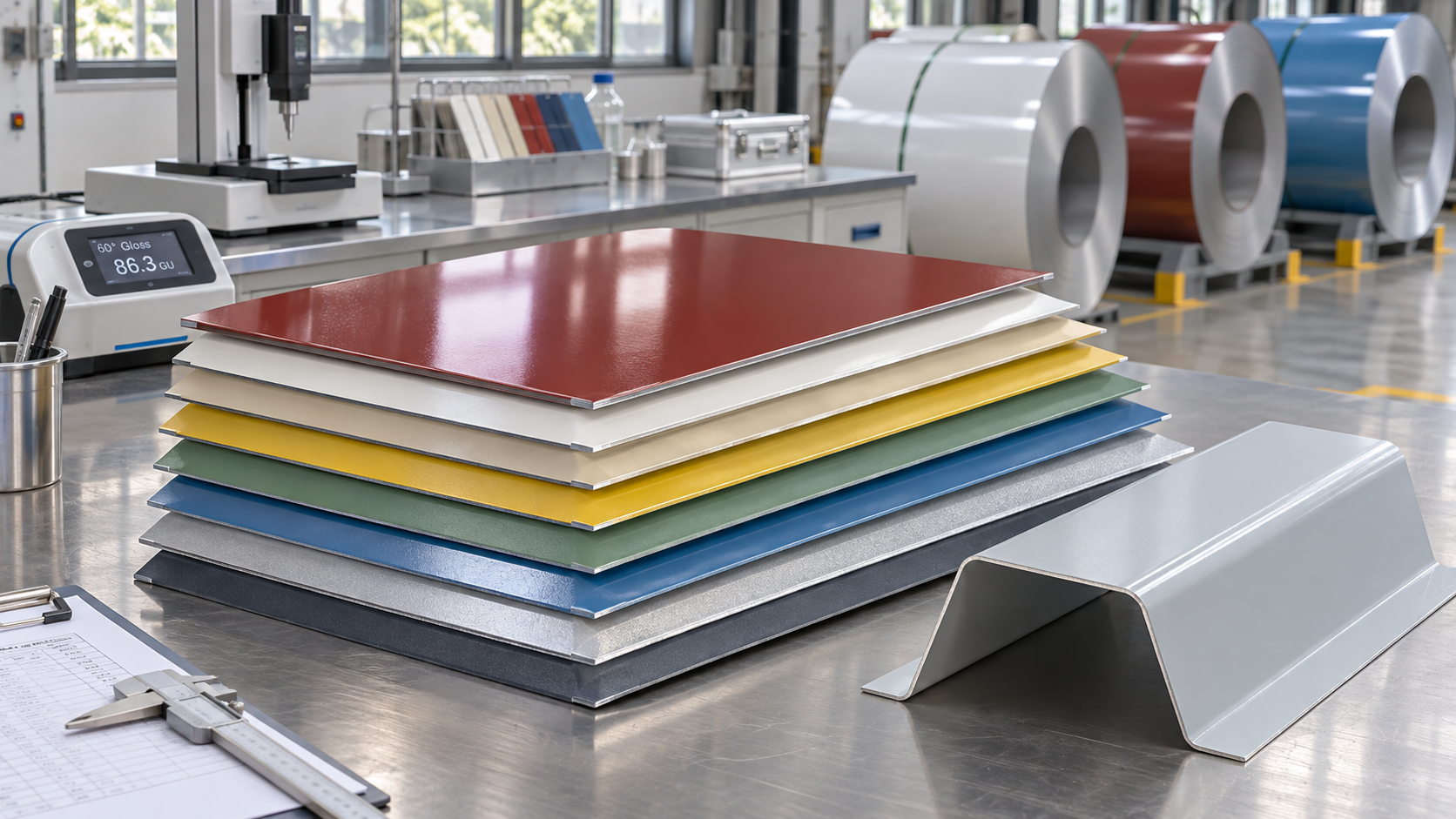
 Color Coated Steel Selection: Substrate, Coating and Service LifeNov 07, 2026
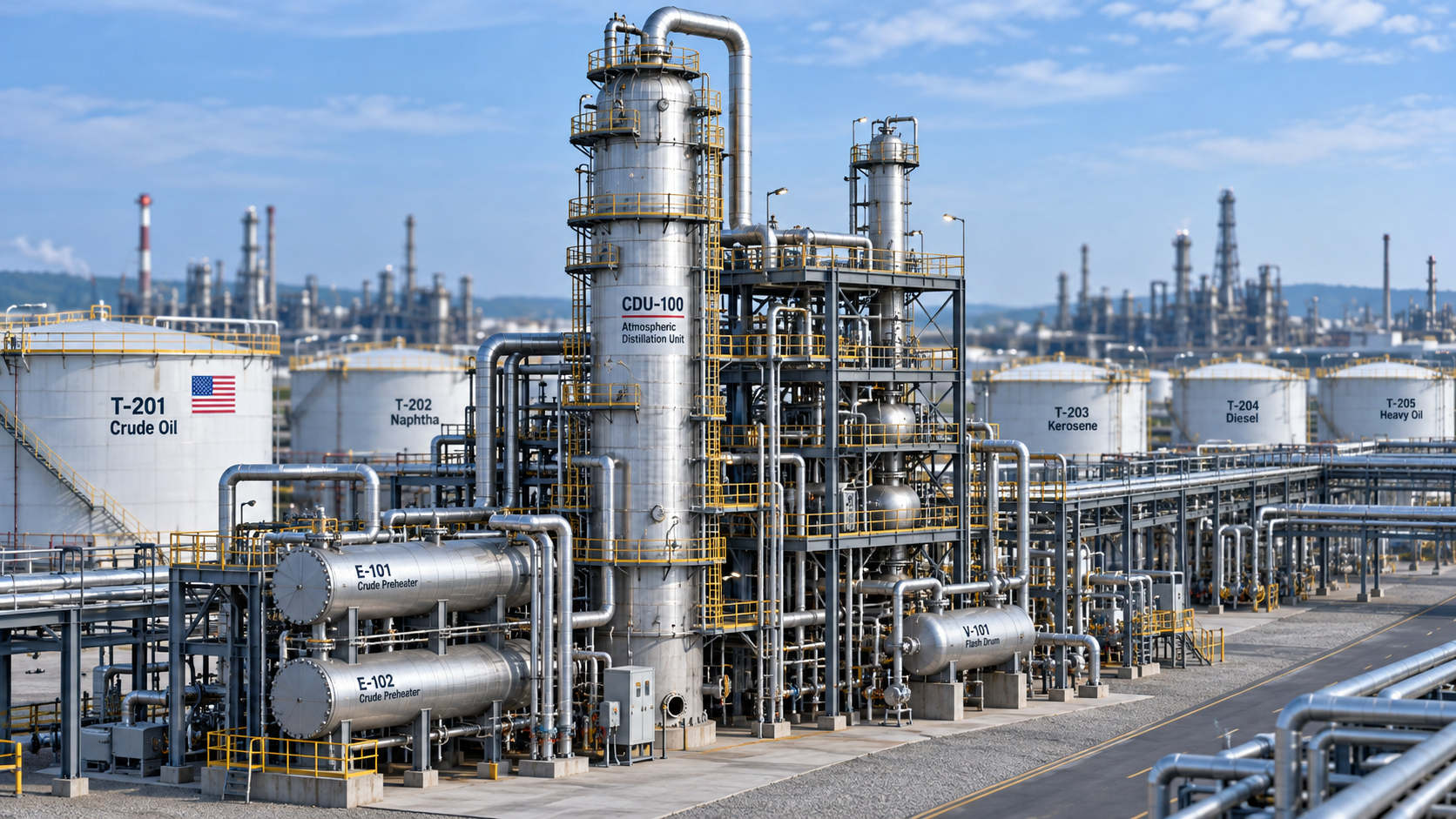
- US Refiners Shift Output From Gasoline to Middle DistillatesNov 06, 2026
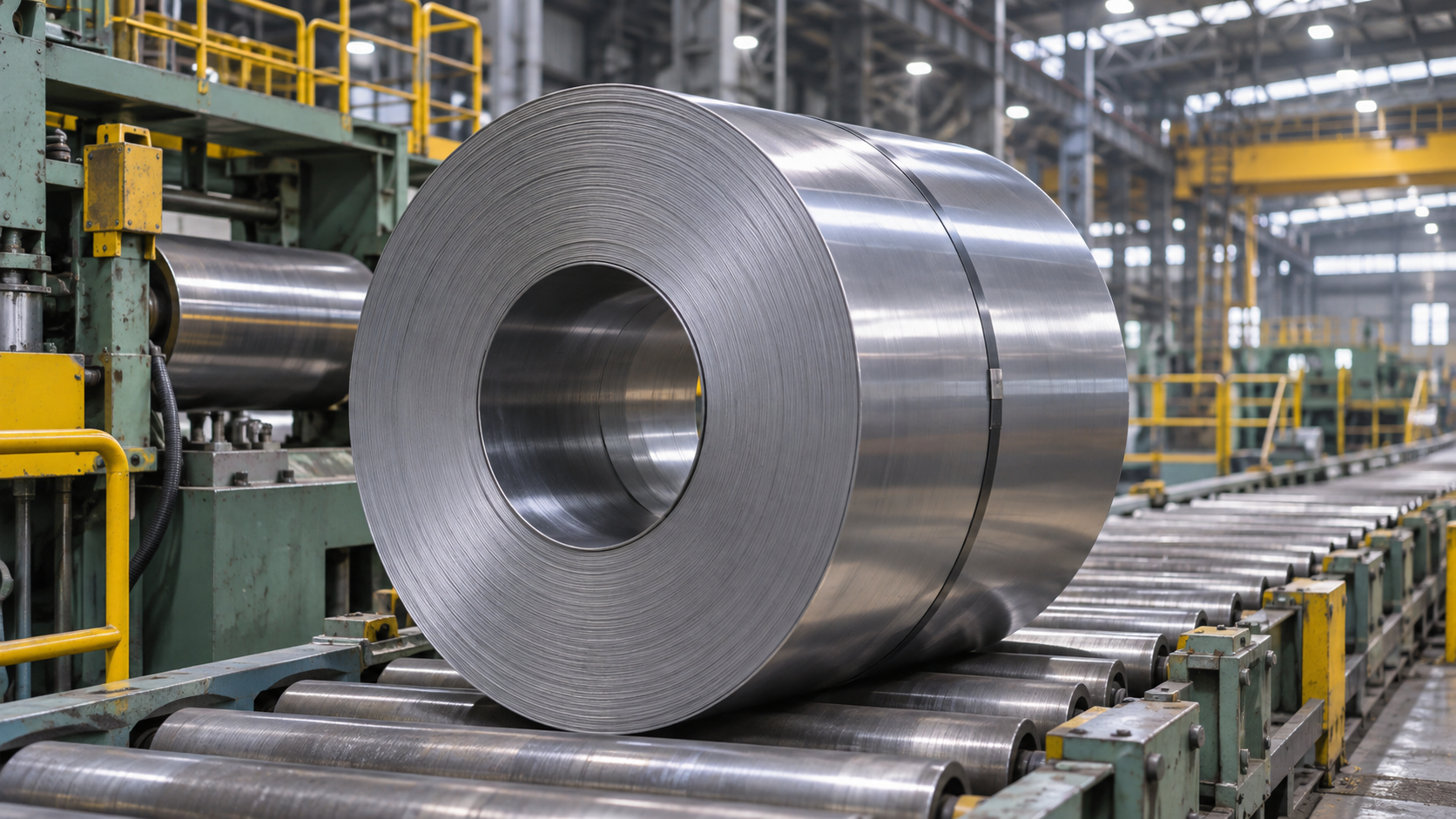
- China's Steel Output Falls 2.9% in 2026 as Industry Shifts to High-Performance SteelNov 05, 2026
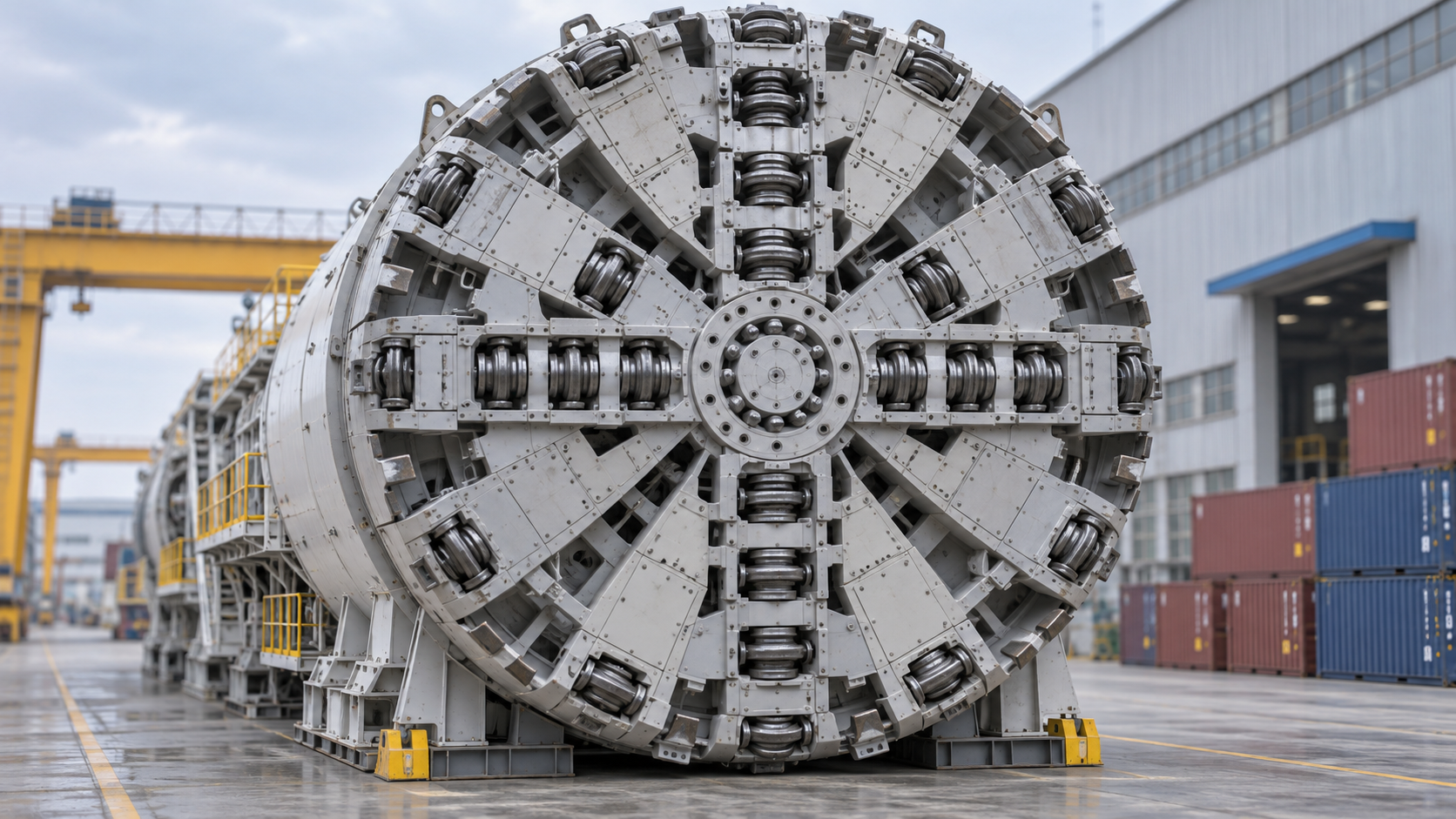
- China Tightens Technology Export Controls on Tunnel Boring Machines and DronesNov 04, 2026
Industry Briefing
Get the top 5 industry headlines delivered to your inbox every morning.
Related News
Power industry news shows grid-scale battery orders rising — but commissioning timelines keep slipping





Power industry news continues to spotlight surging global demand for grid-scale battery systems—yet persistent delays in commissioning timelines raise concerns across the heavy equipment news and refining industry news landscapes. As energy price trends drive accelerated decarbonization investments, procurement decision-makers and industrial air pollution control stakeholders must reassess supply chain resilience and equipment sourcing strategies. This development intersects critically with non-ferrous metals market dynamics, bauxite exports, and metals industry news, especially for manufacturers serving the glass industry news and power infrastructure sectors. Stay ahead with actionable intelligence tailored for information调研者, operators, buyers, and enterprise leaders.
Grid-Scale Battery Deployment: A Manufacturing Reality Check
While headlines emphasize record-breaking order volumes—over 42 GWh of grid-scale battery storage systems contracted globally in Q1 2024—the on-ground reality for equipment integrators, system assemblers, and mechanical fabrication firms tells a different story. Commissioning slippage now averages 8–14 months beyond original delivery commitments, directly impacting OEMs supplying structural enclosures, thermal management skids, DC busbar assemblies, and modular mounting frames.
These delays stem not from software or grid interconnection bottlenecks alone, but from upstream manufacturing constraints: extended lead times for high-tolerance aluminum extrusions (12–18 weeks), certified stainless steel weldments (10–16 weeks), and UL-listed fire suppression manifolds (9–13 weeks). For machine builders serving EPC contractors, this translates into tighter sequencing windows and higher inventory carrying costs—especially when batch production runs must be held in semi-finished status pending cell module allocation.
Procurement teams report that 68% of delayed projects cite “mechanical integration readiness” as a top-three gating factor—not battery cell availability or permitting. This underscores a critical gap: battery system procurement is increasingly decoupled from mechanical infrastructure planning, creating misalignment between electrical design schedules and structural fabrication capacity.

Mechanical Integration Risks Across the Value Chain
Three interrelated mechanical risk clusters are emerging among manufacturers supporting grid-scale battery deployment:
- Thermal Interface Mismatch: Air-cooled rack designs require ±0.3 mm flatness tolerance across 2.4 m aluminum baseplates—yet 41% of surveyed fabricators report recurring warpage beyond ±0.8 mm due to uncontrolled post-machining stress relief.
- Vibration & Seismic Compliance Gaps: IEC 62933-5-2 mandates 5 Hz–200 Hz swept-sine testing at 2.5 g peak acceleration for outdoor containerized systems—but only 29% of Tier-2 enclosure suppliers have in-house shaker table validation capability.
- Modular Interchangeability Failure: Non-standardized mounting hole patterns across BMS cabinets, HVAC units, and fire suppression panels force field re-drilling on 63% of site installations, adding 3–7 labor hours per cabinet bay.
These issues compound procurement complexity. Buyers evaluating mechanical subsystems must now assess not just material specs or weld certifications, but also test protocol traceability, dimensional inspection frequency (minimum 100% CMM verification per lot), and revision-controlled assembly jigs—capabilities that differentiate qualified suppliers from general metal fabricators.
Key Mechanical Specification Thresholds for Grid-Scale Battery Support Structures
This table highlights where specification rigor separates compliant manufacturers from those risking rework or rejection during third-party commissioning audits. Notably, 74% of delayed projects involved at least one structural component failing dimensional audit at final factory acceptance test (FAT)—a preventable cost driver averaging $28,000 per incident.
Procurement Decision Framework for Mechanical Subsystems
For procurement professionals managing battery infrastructure sourcing, a four-pillar evaluation framework delivers measurable risk reduction:
- Process Traceability: Require full weld procedure specifications (WPS) with prequalified filler metals (AWS D1.1 Table 3.1), documented heat treatment cycles, and lot-specific NDT reports (UT/RT Level II).
- Dimensional Control Protocol: Verify use of coordinate measuring machines (CMM) calibrated to ISO/IEC 17025, with inspection frequency ≥1 unit per 10-batch run.
- Test Validation Access: Prioritize suppliers offering FAT witnessing—including thermal cycling (−30°C to +60°C, 5-cycle), vibration sweep (5–200 Hz, 2.5 g), and salt fog exposure (ASTM B117, 1,000 hrs).
- Supply Chain Buffering: Assess supplier’s raw material stockholding policy—e.g., minimum 4-week inventory of 6061-T6 extrusions or ASTM A240 316L plate—to absorb upstream volatility.
Applying this framework reduces mechanical rework incidence by up to 57%, according to internal data from three major battery integrators. It also shortens FAT cycle time by an average of 11 days—critical when commissioning windows shrink under grid interconnection deadlines.
Top 5 Mechanical Procurement Red Flags (Based on 2024 Project Audits)
These findings reflect real-world mechanical compliance gaps—not theoretical risks. Each red flag correlates directly with FAT failure modes observed across 17 commissioned sites in North America and Europe during H1 2024.
Actionable Next Steps for Equipment Buyers and Integrators
Manufacturers and procurement teams can mitigate commissioning slippage through targeted operational adjustments:
- Integrate mechanical FAT scheduling into early-stage project planning—allocate ≥3 weeks for structural validation before electrical commissioning begins.
- Require dimensional inspection reports with GD&T callouts (ASME Y14.5–2018) for all welded subassemblies—not just final enclosures.
- Pre-qualify suppliers using the four-pillar framework above—and conduct biannual re-audits focused on process consistency, not just certification renewal.
- Adopt standardized mechanical interface specifications (e.g., IEEE 1547.1 Annex L for mounting flanges) across internal engineering teams to reduce field adaptation.
The convergence of battery demand surge and mechanical execution lag presents both risk and opportunity. For manufacturers who align fabrication capabilities with grid-scale battery performance requirements—and for procurement teams who embed mechanical diligence into sourcing criteria—the path forward is clear: treat structural integrity not as a commodity input, but as a mission-critical system enabler.
Get actionable mechanical specification templates, supplier qualification checklists, and FAT preparation guides tailored for grid-scale battery support structures. Contact our heavy industry procurement intelligence team for customized support.