
Related News
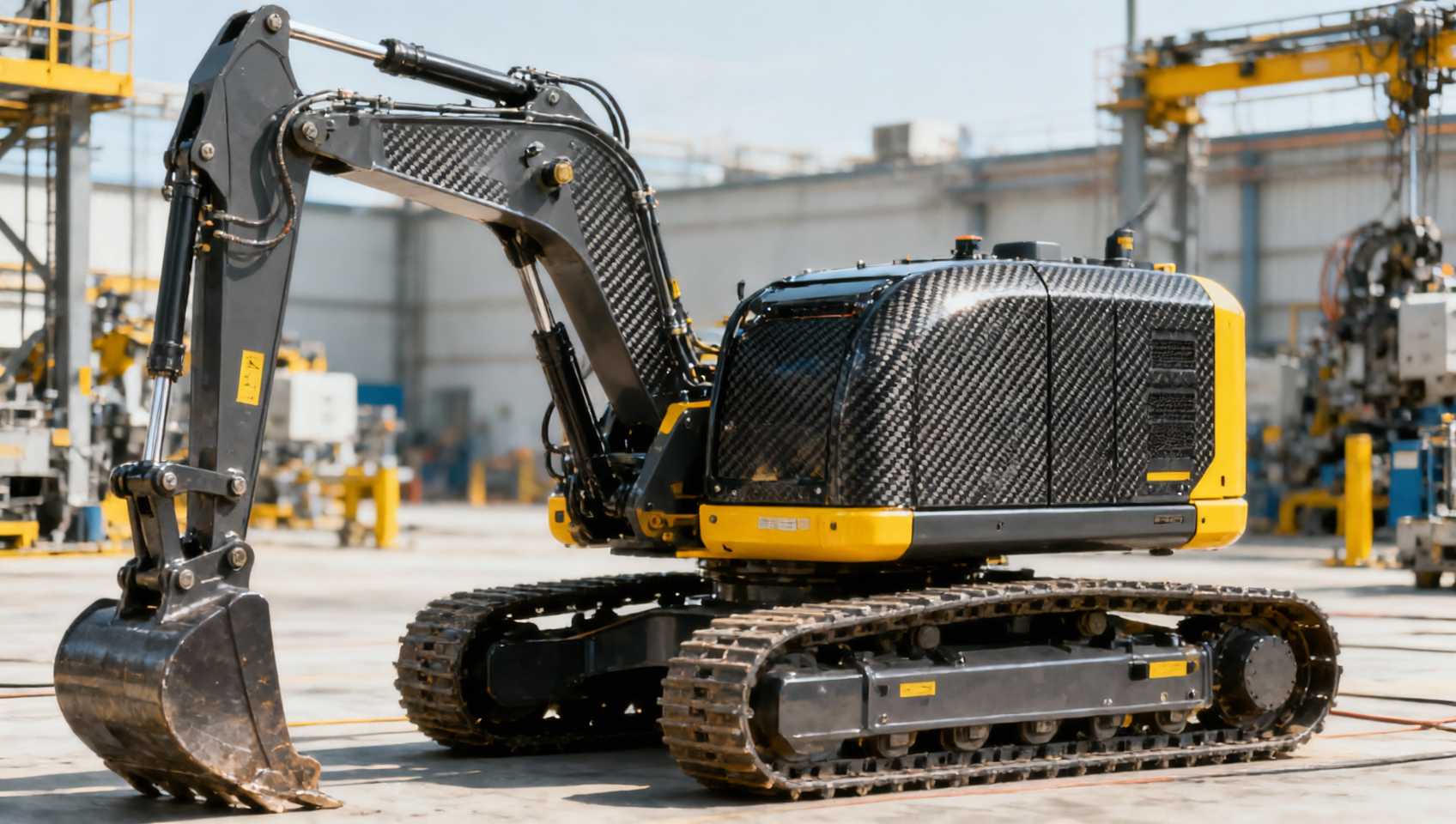
 Are Carbon Fiber Composites Ready for Mass Use in Construction Equipment?Oct 08, 2026
- How to Verify an Industrial Supplier’s Delivery Track RecordOct 08, 2026
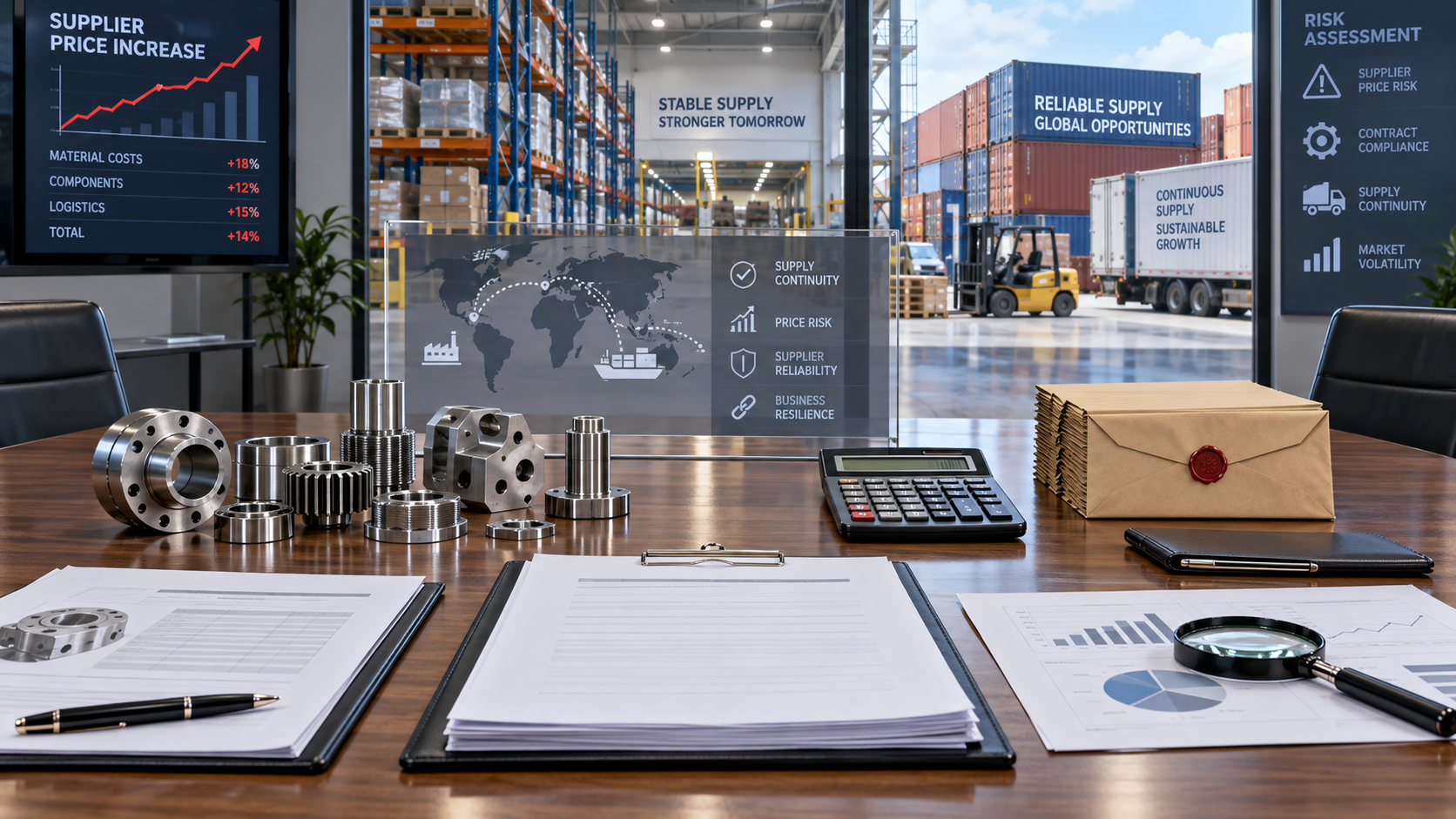
 What Should Buyers Do When a Key Supplier Raises Prices Mid-Contract?Oct 08, 2026
- How Do Trade Sanctions Affect Heavy-Industry Supply Chains?Oct 08, 2026
Industry Briefing
Get the top 5 industry headlines delivered to your inbox every morning.
Excavators for Construction: How to Match Size, Reach, and Terrain





Selecting excavators for construction is rarely a simple equipment choice. It shapes productivity, fuel use, operator safety, hauling plans, and even the pace of downstream trades. When machine size, reach, and terrain fit the actual job, earthmoving becomes predictable. When they do not, costs tend to rise through idle time, rework, and avoidable wear.
That is why this topic matters across the wider heavy industry chain. Construction machinery decisions are now influenced by steel costs, fuel trends, emissions rules, transport constraints, and project delivery pressure. In practice, choosing excavators for construction means reading both the ground conditions and the market environment around the machine.
What size, reach, and terrain really mean on site
The image below reflects a common planning issue: one machine may look capable on paper, yet still perform poorly in a constrained or unstable work zone.
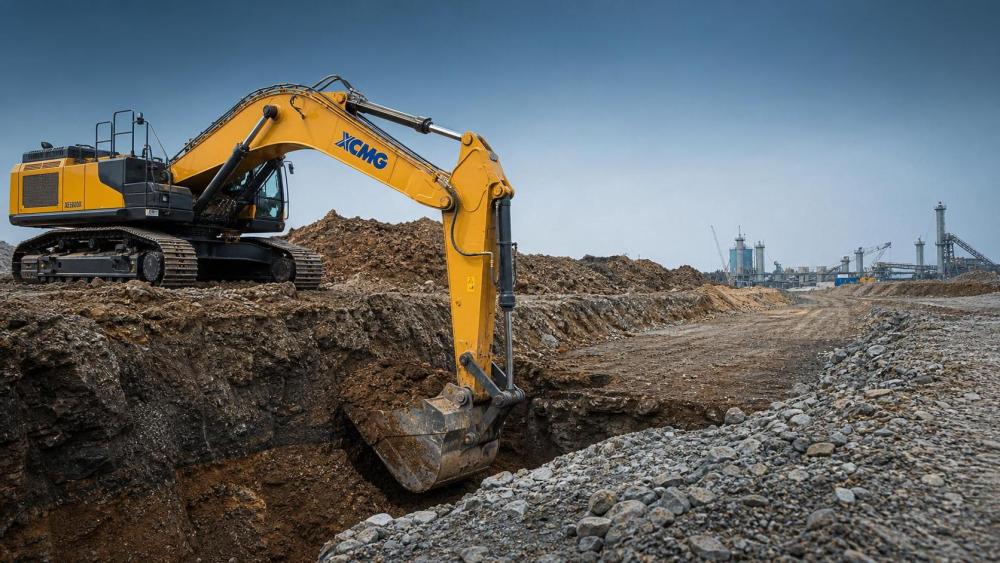
Size is more than operating weight. It also includes tail swing, transport width, bucket capacity, ground pressure, and how the machine fits access roads, staging areas, and nearby structures.
Reach is not only about maximum boom length. It affects trench geometry, loading position, slope work, utility clearance, and whether the excavator can complete a cycle without constant repositioning.
Terrain covers more than soft or hard ground. It includes slope angle, drainage, bearing capacity, rock content, mud depth, visibility, and seasonal changes that alter machine stability.
Together, these three variables determine whether excavators for construction operate as productive assets or become bottlenecks within a larger project sequence.
Why the decision matters more in the current market
The industry has become less forgiving of poor equipment matching. Material prices remain volatile, fuel costs can shift quickly, and delivery schedules often leave little room for trial and error.
At the same time, policy and regulatory changes are influencing fleet choices. Emissions compliance, low-noise requirements, transport permits, and urban site restrictions can narrow the practical machine options.
International supply chains also matter. Lead times for components, tariff changes, and export demand can affect machine availability, attachment pricing, and replacement planning.
In other words, excavators for construction should be evaluated not only by technical specifications, but also by market timing, service access, and lifecycle exposure.
Matching machine size to project conditions
Compact excavators work well where space is limited, utilities are dense, and surface restoration matters. They reduce disruption, but they can lose efficiency on deep cuts or heavy truck loading.
Medium excavators often provide the broadest flexibility. They can handle trenching, grading support, drainage work, and material loading without the transport burden of very large machines.
Large excavators are better suited to bulk earthmoving, quarry-linked activity, mass excavation, and sites where cycle speed matters more than maneuverability.
A common mistake is choosing the largest unit available to avoid undercapacity. Oversizing often creates its own costs through restricted movement, excess fuel burn, and inefficient truck matching.
Reach affects productivity more than many estimates show
On paper, more reach appears safer because it extends working distance. In field conditions, however, long reach can trade off against breakout force, lift capacity, and stability.
For trenching, the right question is whether the excavator can maintain target depth and sidewall profile without repeated repositioning. For loading, the issue is swing efficiency and truck placement.
Specialized long-reach excavators are valuable for canals, riverbanks, demolition offset work, and unstable edges. They are less suitable as universal machines for mixed site tasks.
Key reach checks before final selection
- Measure actual dig depth and dumping height, not brochure maximums alone.
- Check lift charts at the working radius expected on site.
- Confirm attachment weight, especially for hammers, grapples, and tilt buckets.
- Review whether pipe, trench box, or truck positions force awkward cycles.
This is where experienced planning improves results. The best excavators for construction are not those with the longest reach, but those that keep cycle times consistent under real site geometry.
Terrain determines stability, wear, and daily output
Terrain is often underestimated during early planning. A machine that performs well on dry, compacted ground may struggle badly on wet fill, broken rock, or steep grades.
Soft ground raises concerns about track sinkage, travel speed, and undercarriage wear. Rocky terrain increases damage risk to tracks, buckets, and hydraulic lines. Slopes add swing and lifting limits.
Drainage conditions matter as much as soil classification. Even a medium excavator can become inefficient if haul roads rut quickly or spoil piles force poor machine positioning.
Terrain-related decisions that improve fit
- Use wider tracks or lower ground pressure options for saturated zones.
- Match bucket type to material density and abrasiveness.
- Plan access stabilization before mobilizing heavier excavators for construction.
- Account for weather windows, not only baseline geotechnical reports.
In practical terms, terrain fit can protect schedule reliability as much as machine power does.
How upstream and downstream factors influence equipment choice
Excavator selection sits inside a broader industrial context. Steel prices affect attachment and replacement part costs. Energy markets influence fuel budgets. Transport equipment availability changes mobilization timing.
Corporate project pipelines also influence the decision. On large programs, fleet standardization may reduce training and spare parts complexity. On shorter contracts, flexible rental access may be more valuable.
Technology is another factor. Telematics, machine control, idle monitoring, and predictive maintenance tools now shape how excavators for construction are judged after purchase, not just before it.
This wider view aligns with how industrial information platforms support decision-making. Market trends, policy updates, project tracking, and trade intelligence all help turn equipment selection into a more informed business decision.
A practical framework for comparing options
When several machines seem acceptable, a simple comparison framework is useful. It should connect technical fit with operating risk and project timing.
This approach makes excavators for construction easier to compare across different suppliers, project phases, and market conditions.
Where to focus next
A strong selection process begins with the job, not the catalog. Define target depth, expected material, haul arrangement, access constraints, and seasonal ground changes before comparing machine models.
Then look beyond purchase price or rental rate. Review service support, parts lead times, compliance requirements, and the effect of fuel and transport on total operating cost.
For teams tracking broader heavy industry signals, it also helps to monitor policy updates, equipment supply trends, and large project activity. Those indicators often explain why the best excavators for construction on one job may not be the best fit on the next.
If the next equipment decision is approaching, start by building a shortlist around actual site conditions, then test each option against reach, terrain, and support assumptions. That usually leads to a clearer, more durable choice.