





How does the EU carbon border tax affect steel exports? The immediate answer is that exporting into the EU now requires far more than competitive pricing and reliable delivery.
Steel suppliers must document embedded emissions, submit accurate product-level data, and prepare for carbon costs that may materially change margins, customer negotiations, and sourcing decisions.
For exporters, the Carbon Border Adjustment Mechanism, or CBAM, is both a compliance obligation and a commercial test of carbon competitiveness in the European market.
Its impact will differ by product, production route, destination, and customer contract, but unprepared suppliers risk delayed shipments, weaker bids, and lost accounts.
What the EU Carbon Border Tax Means for Steel Exporters

The EU carbon border tax is commonly used to describe CBAM, a system designed to place a carbon cost on certain imported goods.
Steel is one of the most important covered sectors because conventional steelmaking is carbon intensive and exposed to international trade competition.
CBAM aims to reduce carbon leakage, where production shifts to countries with weaker climate rules while European producers face domestic carbon pricing.
In practical terms, the mechanism compares the embedded emissions of imported steel with the carbon price faced by comparable EU production.
Importers, rather than overseas mills directly, carry the formal reporting and certificate obligations under the EU legal framework.
However, exporters supply the emissions information, absorb commercial pressure, and often negotiate how future CBAM costs are allocated in contracts.
The transitional reporting period began in October 2023, while the financial phase is scheduled to begin from 2026 for covered imports.
Therefore, the effect on steel exports is already visible through customer data requests, supplier reviews, tender conditions, and contract discussions.
Which Steel Products and Trade Flows Face the Greatest Exposure?
CBAM covers selected iron and steel products identified through customs classifications, including many primary steel, semi-finished, and downstream material categories.
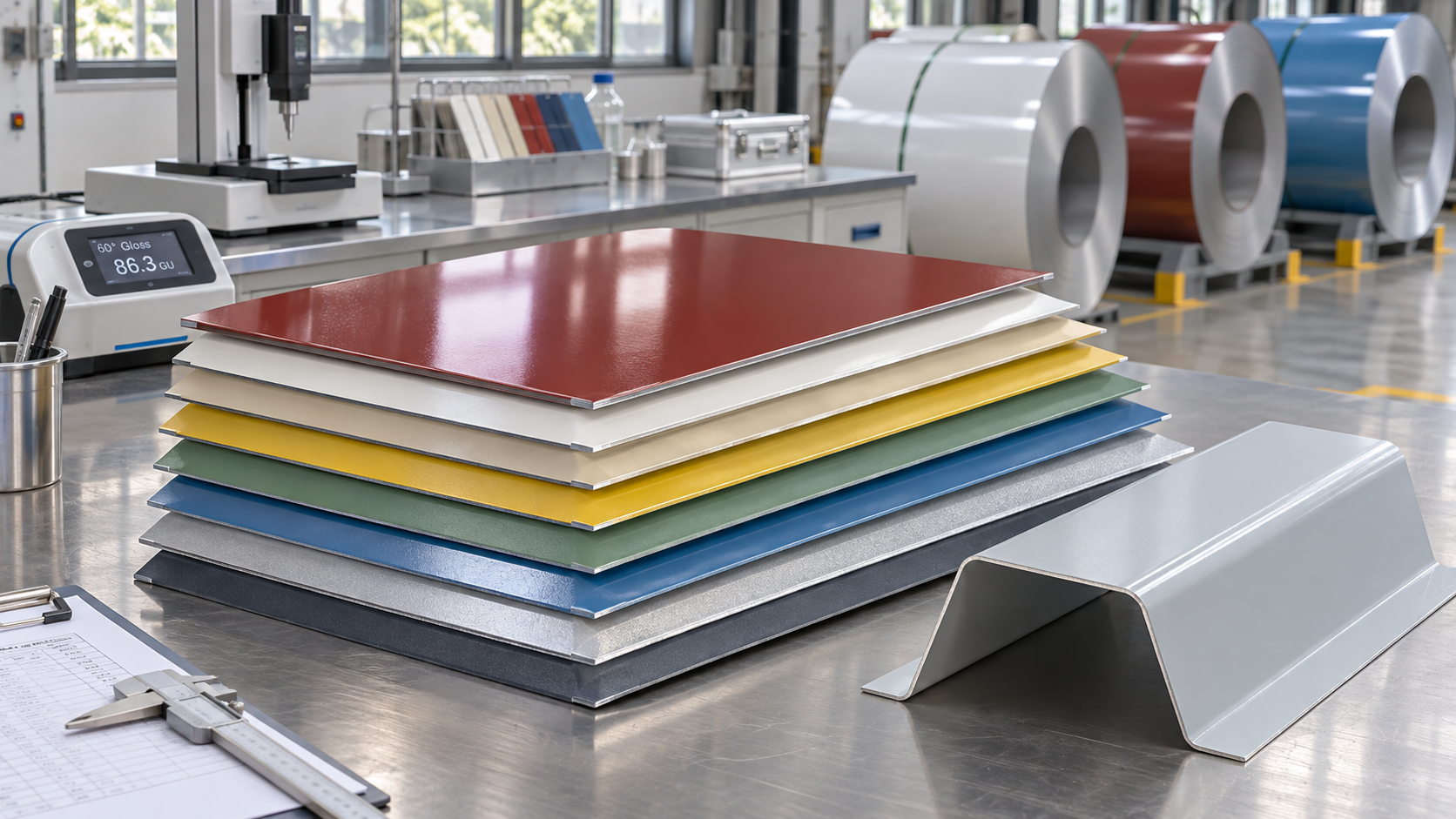
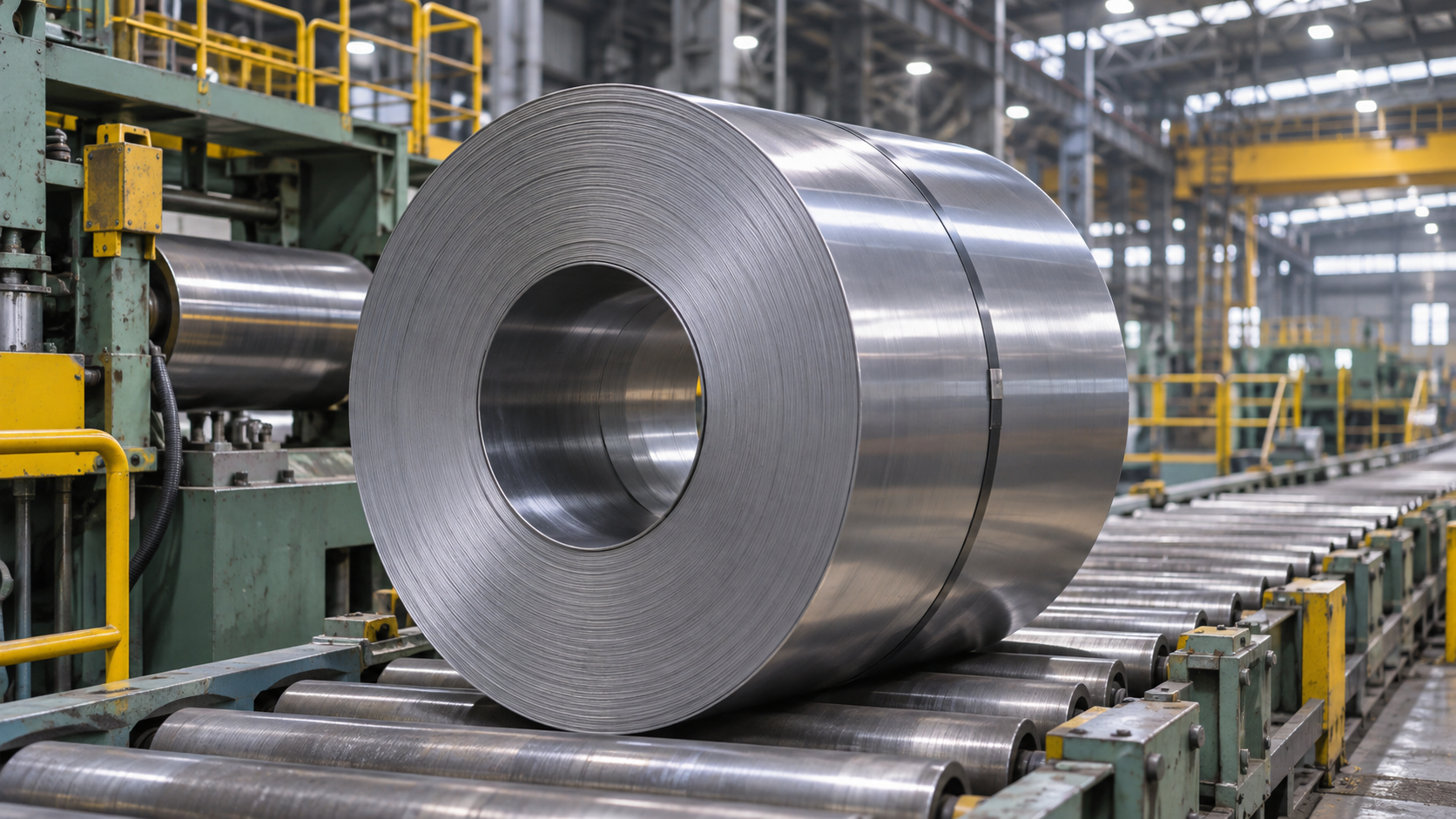
Typical covered goods include pig iron, direct reduced iron, crude steel, certain ferro-alloys, hot-rolled products, cold-rolled products, wire, tubes, and pipes.
Exporters should not rely on broad product descriptions because CBAM applicability depends on the specific Combined Nomenclature code declared at EU customs.
A company selling coated coil, billet, structural sections, or fabricated inputs should verify codes shipment by shipment before estimating exposure.
The immediate commercial impact is strongest for exporters serving EU buyers that import directly and therefore must file quarterly CBAM reports.
Steel sold through traders, distributors, or processors may still be affected because those buyers increasingly request verified emissions data from upstream suppliers.
Suppliers outside the EU also face indirect pressure when their material is incorporated into covered goods before final importation into Europe.
Companies with mixed product portfolios should map EU-bound revenue by commodity code, customer, origin, production route, and contractual delivery term.
How Embedded Emissions Change Export Pricing
The most important financial effect is not a standard customs tariff but a carbon-related cost linked to embedded greenhouse gas emissions.
Higher-emission steel may require more CBAM certificates, increasing the landed cost of imports relative to lower-carbon alternatives available in Europe.
The certificate price is connected to the EU Emissions Trading System, meaning exporters cannot assume a fixed annual charge when planning margins.
For a mill using blast furnace and basic oxygen furnace production, reported emissions may be materially higher than those from electric arc furnace production.
That difference can affect customer sourcing decisions even where the lower-carbon product carries a higher base steel price at the factory gate.
Export pricing models should therefore separate metal price, freight, duties, insurance, working capital, and estimated carbon exposure for each EU destination.
Commercial teams also need to determine whether CBAM exposure is borne by the importer, passed to the exporter, or shared through price-adjustment clauses.
A transparent carbon-cost formula can protect relationships, but only when both parties agree on emissions methodology, documentation timing, and verification responsibilities.
Why Reporting Quality Has Become a Market Access Issue
During the transitional phase, EU importers must report the quantity of covered goods and the embedded emissions associated with those imports.
They must also identify carbon prices already paid in the country of origin where relevant, subject to the applicable reporting rules.
This makes reliable plant-level data essential because estimates, incomplete records, and inconsistent calculation methods can create compliance risks for EU customers.
Customers may ask suppliers for direct and indirect emissions information, production-route evidence, fuel consumption records, electricity data, and carbon payment documentation.
The exact information required can vary by product and reporting period, so exporters need a repeatable internal process rather than ad hoc spreadsheets.
Data ownership is often fragmented across operations, energy management, environmental teams, finance departments, logistics units, and external certification providers.
Senior management should assign a clear CBAM owner with authority to collect data, challenge assumptions, approve disclosures, and coordinate customer responses.
Fast and credible reporting can become a competitive advantage when European buyers must choose between similarly priced suppliers with different compliance readiness.
How the EU Carbon Border Tax Affects Competitiveness
How does the EU carbon border tax affect steel exports in competitive terms? It rewards credible low-emission production, not merely low nominal manufacturing costs.
Exporters with efficient furnaces, recycled scrap inputs, renewable power access, or lower-carbon direct reduction routes may gain a stronger position in EU tenders.
Those advantages matter most in segments where buyers have public decarbonization targets, green procurement policies, or reporting duties under sustainability frameworks.
Conversely, high-emission producers may remain competitive in some products if their price advantage exceeds the expected CBAM-related carbon cost.
That calculation should not be simplified into a single country-level comparison because actual emissions vary significantly among plants within the same market.
Product quality, delivery reliability, technical support, trade remedies, exchange rates, and freight routes will continue to influence purchasing decisions alongside carbon performance.
Still, carbon intensity is becoming a measurable commercial attribute, similar to tolerance, strength grade, coating specification, or traceability documentation.
Exporters that cannot explain their emissions profile may be excluded early from sourcing conversations, before price negotiations even begin.
What Steel Exporters Should Do Before 2026
The first practical step is to identify every EU-bound product line and confirm whether its customs code falls within CBAM coverage.
Companies should then map each product to its producing facility, production route, raw-material mix, energy sources, and existing emissions accounting records.
Where several plants supply the same grade, sales teams need plant-specific data rather than using a single corporate average for all shipments.
Next, exporters should establish a reporting calendar aligned with customer import declarations, shipment documentation, and internal month-end data availability.
They should also review sales contracts to determine whether carbon costs, data failures, regulatory changes, or verification disputes trigger price adjustments.
For many suppliers, a pilot calculation using recent EU shipments will reveal the largest data gaps and the products with highest expected carbon exposure.
Management should prioritize those high-volume or low-margin lines first because they create the most immediate risk to profitable European market access.
Investment decisions should then compare the cost of data systems, process improvements, renewable electricity, scrap optimization, and customer retention benefits.
Can Carbon Prices Paid Outside the EU Reduce the Burden?
CBAM is designed to consider carbon prices effectively paid in the country of production, which may reduce the number of certificates required.
However, exporters should not assume that any environmental tax, energy surcharge, or voluntary offset program automatically qualifies for recognition.
The relevant payment must meet regulatory conditions, and documentation must demonstrate the amount paid, the emissions covered, and the absence of refunds.
National carbon pricing systems may also apply differently across facilities, fuels, sectors, or export transactions, creating uneven benefits among producers.
Businesses should maintain auditable records of carbon payments and engage customs, legal, and tax advisers when assessing potential deductions or claims.
Buyers will likely seek evidence before accepting a lower CBAM cost estimate, particularly where the claimed reduction materially affects contract economics.
For exporters in jurisdictions developing carbon markets, policy changes may create new opportunities but should not replace immediate operational emissions measurement.
The strongest position combines documented carbon payments, accurate embedded-emissions calculations, and a credible plan to reduce future production intensity.
Supply Chain and Customer Strategy in a CBAM Market
CBAM can reshape supply chains because EU buyers may favor producers able to provide traceable materials, stable documentation, and predictable carbon-cost estimates.
Steel exporters should segment customers by import volume, product exposure, strategic importance, and willingness to collaborate on carbon-data requirements.
Key accounts may need dedicated emissions reports, joint forecasting, and regular discussions about changes in EU rules, certificate prices, and sourcing plans.
Smaller customers may prefer standardized product carbon sheets that explain the production site, reporting period, calculation basis, and available supporting evidence.
Procurement teams should also assess upstream suppliers because ore, coke, scrap, ferro-alloys, electricity, and transport choices influence steel emissions performance.
A supplier transition can improve carbon competitiveness, but managers should measure quality, availability, qualification time, and total cost before changing inputs.
Companies considering production relocation or EU-based processing should model the full operational case, rather than treating CBAM alone as decisive.
In many cases, better data governance and targeted process improvements will deliver a faster commercial benefit than a major restructuring decision.
The Bottom Line for Steel Exporters
The EU carbon border tax does not automatically end steel exports to Europe, but it makes carbon performance a direct factor in market access.
Exporters with complete emissions data, clear customer communication, and realistic pricing models will be better positioned to protect EU sales volumes.
The greatest risk is often not the future certificate cost alone, but losing customer confidence because required carbon information cannot be delivered accurately.
For high-emission producers, the mechanism creates pressure to improve efficiency, increase scrap use, secure cleaner electricity, or redesign production routes over time.
For lower-emission suppliers, it creates an opportunity to demonstrate value beyond base price and compete for European customers seeking credible decarbonization progress.
Businesses should treat CBAM as a continuing trade-management discipline involving customs classification, emissions accounting, commercial contracts, and investment planning.
Regular monitoring of EU implementation rules, ETS price movements, customer requirements, and competitor actions will be necessary as the financial phase develops.
Ultimately, the exporters most likely to succeed will translate carbon data into practical decisions on pricing, production, customer service, and long-term European strategy.