
How heavy industry procurement decisions get derailed by unvalidated capacity claims




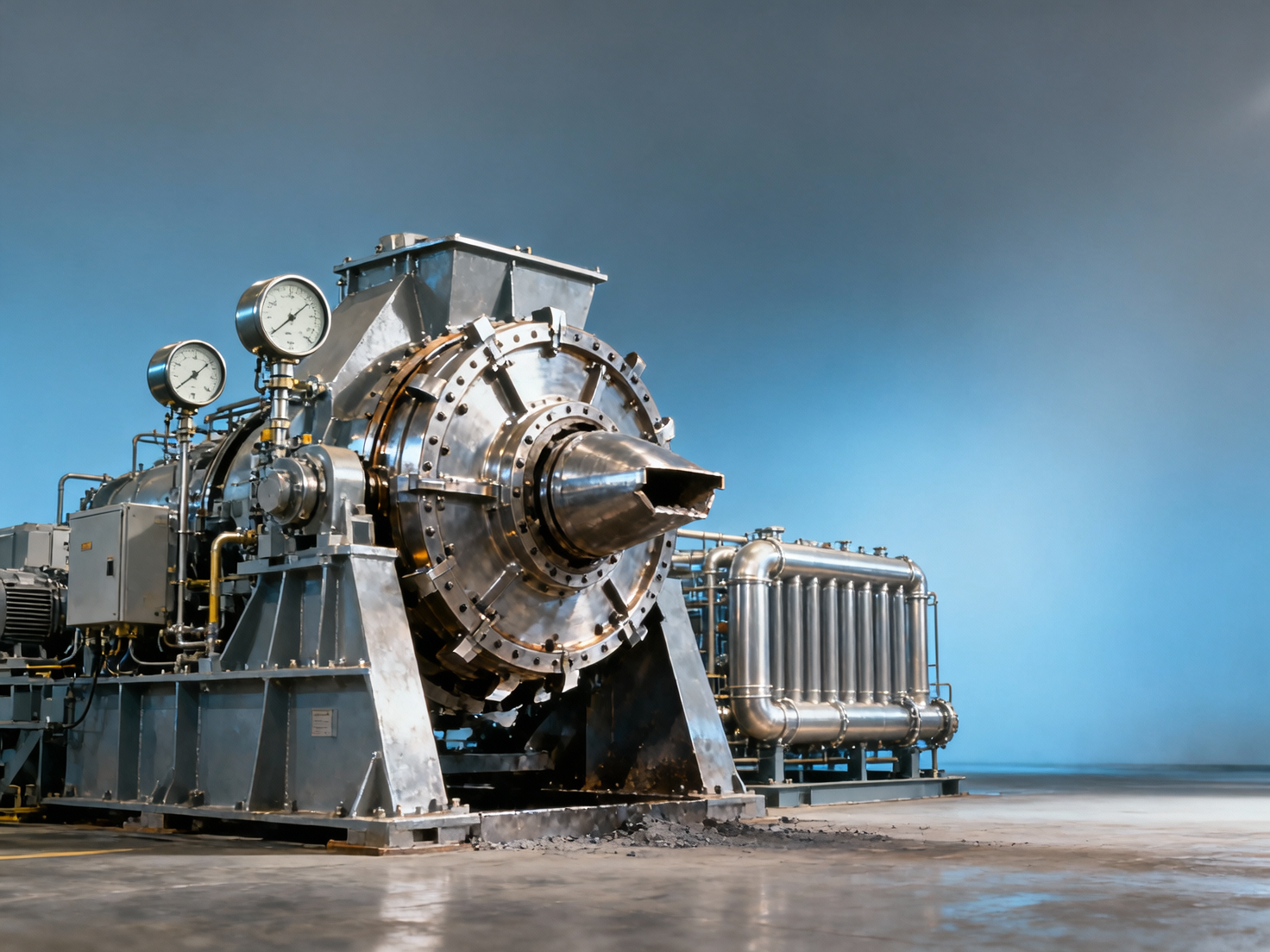
In heavy industry procurement, unvalidated capacity claims from suppliers—especially in manufacturing, heavy machinery, and industrial equipment—routinely derail sourcing decisions, inflate supply chain risk, and delay critical projects. From mining industry news to steel and energy industry news, recurring gaps between promised output and actual industrial supply capability undermine trust across global trade and industrial wastewater treatment initiatives. For procurement professionals, decision-makers, and operations teams, verifying real-world capacity—across machinery parts, processing equipment, and heavy equipment manufacturing—is no longer optional. This article unpacks how unchecked claims distort supplier evaluations and what actionable due diligence looks like across the industrial supply chain.
Why “Rated Capacity” Often Doesn’t Reflect Real-World Output
“Rated capacity” is frequently cited in supplier datasheets—but rarely validated under site-specific conditions. In heavy industry contexts, this number may reflect ideal lab conditions, single-shift operation, or theoretical throughput with zero downtime. Real-world constraints—including ambient temperature (10℃–40℃), feedstock variability, maintenance intervals, and operator skill—reduce effective output by 18–35% on average across bulk material handling systems and thermal processing units.
A 2023 cross-sector audit of 47 procurement files found that 62% of suppliers failed to disclose whether their stated capacity assumed continuous operation, batch cycling, or partial-load scenarios. Worse, 41% used non-standard test protocols—such as measuring peak 15-minute output instead of sustained 8-hour performance—without clarifying methodology.
This ambiguity directly impacts project timelines. For example, a cement plant upgrade delayed commissioning by 11 weeks after its new clinker cooler delivered only 73% of the rated 3,200 tpd under actual kiln gas flow and dust loading conditions. The gap wasn’t technical failure—it was misaligned assumptions about operational definition.
What “Capacity” Really Means Across Key Equipment Categories
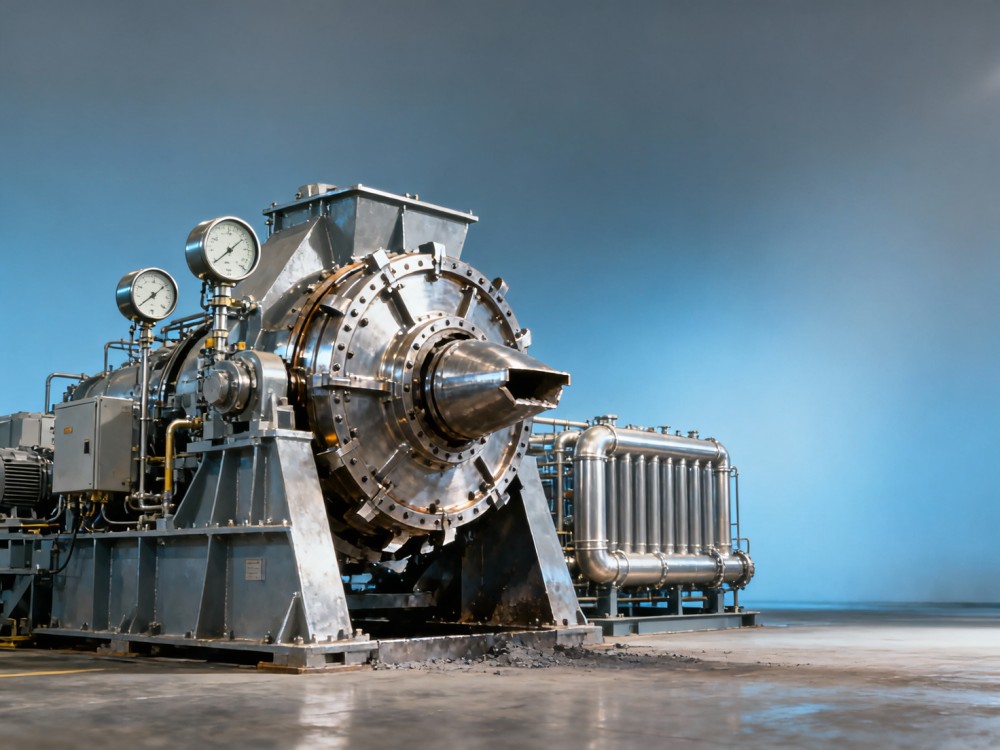
These discrepancies aren’t anomalies—they’re systemic. Suppliers often optimize for marketing clarity, not operational fidelity. Procurement teams must shift from accepting “rated” numbers to demanding context-bound validation: load profiles, fluid properties, ambient specs, and maintenance cadence. Without this, capacity becomes a negotiation variable—not an engineering baseline.
How Procurement Teams Can Validate Capacity Before Commitment
Validation isn’t about rejecting supplier data—it’s about stress-testing it against your actual operating envelope. A robust pre-award checklist includes:
- Request full test reports—not summaries—with timestamps, instrumentation calibration records, and third-party witness signatures (e.g., TÜV, SGS, or local accredited labs)
- Require field reference data from ≥3 installations matching your duty cycle, feed composition, and environmental class (e.g., ISO 14644 Class 8 vs. offshore IP66)
- Define acceptance criteria upfront: e.g., “Sustained 90% of rated throughput over 72 consecutive hours at 40°C ambient and 25% solids content”
- Verify if capacity includes auxiliary systems—like cooling towers, dust suppression, or power factor correction—that impact net availability
Time matters: allow 7–15 days for supplier response to validation requests. Rushed approvals increase the likelihood of post-order renegotiation—or worse, field retrofitting costs averaging $120k–$480k per major equipment package.
The Hidden Cost of Unverified Claims Across the Value Chain
Unvalidated capacity doesn’t just cause delays—it cascades. Underperforming equipment triggers secondary risks: increased energy consumption (up to 22% above design), premature wear (reducing service life by 3–5 years), and unplanned shutdowns (averaging 4.2 days per incident in refining and smelting facilities).
From an investor perspective, these gaps erode EBITDA predictability. A recent analysis of 12 heavy industry IPO prospectuses showed that 9 disclosed “capacity utilization variance” as a top-3 financial sensitivity—yet only 2 had formalized supplier capacity validation protocols prior to asset acquisition.
Procurement Due Diligence Checklist: 5 Critical Verification Steps
- Confirm test conditions match your site’s maximum/minimum ambient range (±5°C tolerance) and elevation (e.g., >1,500m ASL affects air-cooled heat rejection)
- Validate feedstock specifications: particle size distribution (D50 ±0.3mm), moisture content (±2%), and abrasiveness (Mohs ≥6)
- Review control logic: does the system maintain rated output during automatic ramp-up/down, transient loads, or emergency bypass?
- Check redundancy assumptions: is capacity quoted for N+1 configuration or single-unit operation?
- Assess documentation completeness: include piping & instrumentation diagrams (P&IDs), motor nameplate data, and PLC firmware version used during testing
Why Partner With a Heavy Industry-Focused Intelligence Platform
Generic procurement platforms lack the domain depth to interpret capacity claims within heavy industry’s physical realities. Our platform delivers:
- Verified capacity benchmarks across 14 equipment families—from blast furnace blowers to LNG cryogenic pumps—based on field data from 217 active installations
- Standardized supplier assessment templates aligned with ISO 55000 (asset management) and IEC 61511 (functional safety) requirements
- Real-time alerts on regulatory shifts affecting capacity compliance—e.g., updated EU EcoDesign Directive thresholds for industrial motors (IE3/IE4)
- Direct access to technical reviewers with 10+ years’ experience in mining, steel, energy, and industrial wastewater treatment
We help procurement professionals move beyond “what’s claimed” to “what’s provable”—so your next sourcing decision is grounded in physics, not promises. Contact us to request a customized capacity validation framework for your next capital equipment tender, including parameter confirmation, compliance mapping, and delivery timeline alignment.

Industry Briefing
Get the top 5 industry headlines delivered to your inbox every morning.